



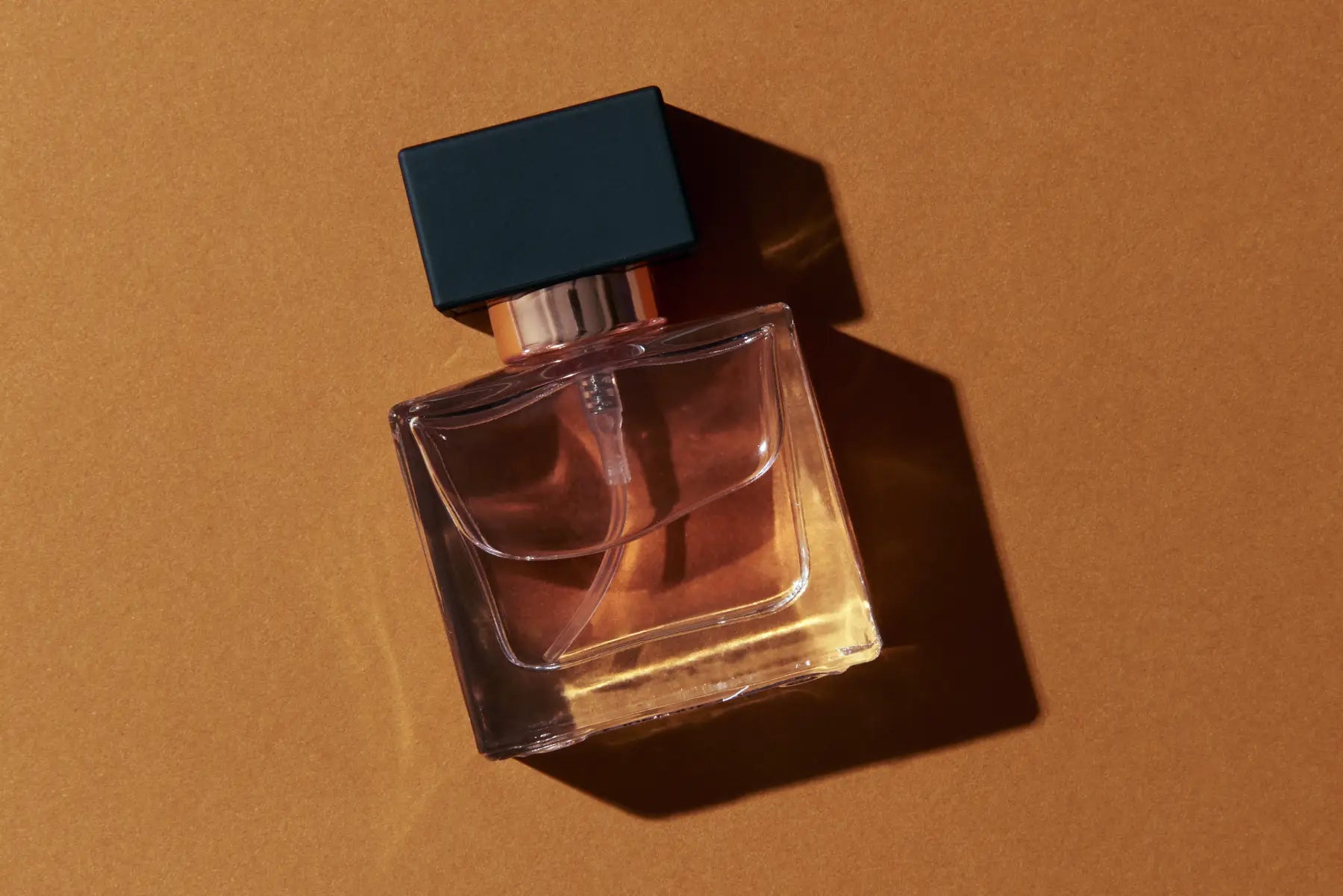
Scent has a quiet power. One breath can pull you back to childhood, to a place, to a version of yourself you had forgotten. Scent carries memory and meaning, long before perfume lived on vanities or in glass bottles. The history of perfume spans millennia, with its presence and significance evolving across thousands of years and many cultures.
So who invented perfume? To be blunt, it wasn’t one person or culture. Perfume didn’t arrive fully formed. It evolved, shaped by societies experimenting with scented oils, resins, chemistry, and a deep human need to connect smell with identity.
A brief history of perfume in Ancient Civilizations
Perfume wasn’t invented by a single genius or ancient empire. It developed slowly, across thousands of years, starting in places like Egypt and Mesopotamia. The earliest perfumes date back more than 4,000 years and were used in ancient Egypt, Mesopotamia, and Cyprus. Perfume grew alongside civilization, moving from ritual practice to refined craft.
Perfume as a Ritual in Ancient Egypt
The first perfume bottle in history appeared in Egypt around 1500-1000 BC.
For ancient Egyptians, scent was sacred, and perfume wasn’t used casually. It was essential to religious ceremonies, healing practices, and preparation for the afterlife. Fragrance was considered holy, woven into daily and spiritual life, and functioned as medicine, spirituality, and social signal all at once.
Certain aromas were believed to protect against illness or negative forces. Scent communicated status and safety.
The ancient Egyptians were the first to use glass bottles to store their perfumes, showcasing their innovation in both perfumery and glassmaking. What’s striking is the care behind these early blends. Perfume ingredients were selected deliberately, preserved with oils or fats, and combined with skill.
The First Perfume maker recorded in history came from Mesopotamia.
Although Egypt shaped the ritual roots of perfume, Mesopotamia provided the first written records: around 1200 BCE, a cuneiform tablet from Babylon mentions Tapputi, regarded as the earliest known perfumer. She worked with aromatic plants, oils, and primitive chemical processes to craft fragrances for royalty, blending creative artistry with scientific experimentation. Tapputi is credited as the first to use solvents in scent-making, and her role as overseer of the Royal Palace underscores her significance in both the political and religious life of Mesopotamia.
Early Techniques and Ingredients
Mesopotamian perfumers used materials like myrrh, juniper, and flowers, refining them through heating and cooling techniques. These methods laid the foundations for later advances in fragrance chemistry.
Trade routes spread both ingredients and knowledge. Perfume didn’t stay still. It evolved as cultures exchanged ideas and materials.
The Art of Perfume Making

Perfume making is an ancient art that blends creativity, science, and cultural tradition. Its roots stretch back to Mesopotamia and Egypt, where natural resins, oils, and herbs were first combined into fragrances used in daily life and religious rituals. Romans later expanded these practices, scenting homes, baths, and even sails, turning perfume into a marker of sophistication. Over time, simple infusions evolved into refined techniques like steam distillation, which unlocked pure essential oils and new possibilities.
From Hungary Water to modern blends, perfumers learned to harmonize single notes into complex compositions. Today, the industry thrives globally, with Grasse in southern France remaining its historic center, where centuries-old expertise meets innovation in both natural and synthetic ingredients.
How Greece and Rome Changed Perfume Forever
As perfume traveled west, its role shifted. In ancient Greece and Rome, fragrance became tied to luxury and pleasure. Perfume became personal and social.
Athletes anointed themselves with oils. Homes and public spaces were scented. Romans expanded fragrance palettes through global trade, turning perfume into both refinement and excess. Common ingredients in ancient Greek perfumes included spices, florals, and resins, with rose being one of the most popular.
The Golden Age of Islamic Cultures and the Science of Smell
During the Islamic Golden Age, perfume-making advanced dramatically. The Persian Muslim doctor and chemist Ibn Sina, also known as Avicenna, developed the method of distillation that revolutionized perfume production by refining the extraction of fragrances through steam distillation. Islamic cultures introduced new raw materials such as musk, rose, amber, and jasmine. The Arabic philosopher al-Kindi wrote a book on perfumes that contained over a hundred recipes for fragrant oils and methods of perfume-making.
Traders expanded the palette with spices, resins, and animal fragrance materials, which greatly influenced Western perfumery. Scholars like al-Kindi compiled extensive fragrance recipes, and Avicenna pioneered the distillation of oils from flowers, innovations that shaped the modern perfume-making industry. These developments transformed heavy oils into lighter, longer-lasting fragrances, turning scent into a sophisticated blend of art and chemistry.
This transformed perfume from heavy oils into lighter, longer-lasting fragrances. Scent became a precise balance of art and chemistry, as perfumers learned to create complex, layered fragrances through the blending of various ingredients.
Renaissance Europe and Perfume as Fashion
In Renaissance Europe, perfume became deeply tied to fashion and status, especially within the court of Louis XV, known as "la cour parfumée," where everything from garments to furniture was scented to reflect status and elegance. Royalty and nobility wore fragrance to signal elegance and power, and Louis XV's influence on perfumery and styling was significant. Perfume became a style statement.
During this period, perfume became popular in Europe, particularly in France. The perfume industry began to flourish in France during the Renaissance, especially in the town of Grasse, which became known as the perfume capital of the world due to its ideal climate for growing fragrant flowers. Additionally, perfume was often used to mask body odors in medieval societies due to poor hygiene practices.
The Journey to Modern Perfumes
And why Chanel No 5 is important for perfumery historians.
Modern perfumery took shape where tradition met innovation. Industrial methods brought consistency, while science deepened creativity by studying how notes interacted with skin. The introduction of synthetic compounds in the 19th and 20th centuries transformed perfume into a commercial industry, making it widely accessible. The rise of famous brands like Chanel, Dior, and Yves Saint Laurent marked a significant evolution in the perfume industry during the 20th century, with Chanel No. 5, created by Ernest Beaux in 1921, using aldehydes to craft a modern, abstract scent that became a cultural landmark.
Another perfumery landmark happened when Hungary created the first alcohol-based perfume, 'Queen of Hungary Water,' in the 14th century. The development of Eau de Cologne, Eau de Parfum, and the rise of citrus notes each advanced and shaped the art of perfumery into a balance of chemistry, artistry, and identity.

What Perfume Means for Us Today
Today, perfume is deeply personal. One scent can feel bold and empowering, another soft and grounding. Fragrance reflects identity, not rules.
This idea isn’t new. From ancient rituals to modern routines, scent has always been a way to express who we are.
Why Perfume Still Matters
Knowing perfume’s history adds meaning to wearing it. You’re not just applying scent. You’re part of a long tradition blending ritual, science, and creativity.
Perfume evolves with time, yet remains timeless. That balance keeps the story alive.
FAQ
Who was the first person to invent perfume?
Perfume wasn’t invented by one person. It developed across ancient civilizations over thousands of years.
Was perfume invented in Egypt?
Egypt played a major role, but perfume also evolved in Mesopotamia, Greece, and Rome.
Who is the first recorded perfumer?
Historical texts mention a woman in Mesopotamia known for experimenting with fragrance and distillation.
How did contemporary perfume begin?
Modern perfume emerged through advances in chemistry, especially during the Islamic Golden Age and Renaissance Europe.
Find Your Fragrance and Yourself with the help of Zermat
Perfume has always been more than scent. It’s about presence, feeling, and expression. Fragrance tells your story, and Zermat has you covered.
If you’re curious to explore scents made with care and expertise, take time to explore Zermat’s makeup and skincare collections and discover what speaks to you.


