



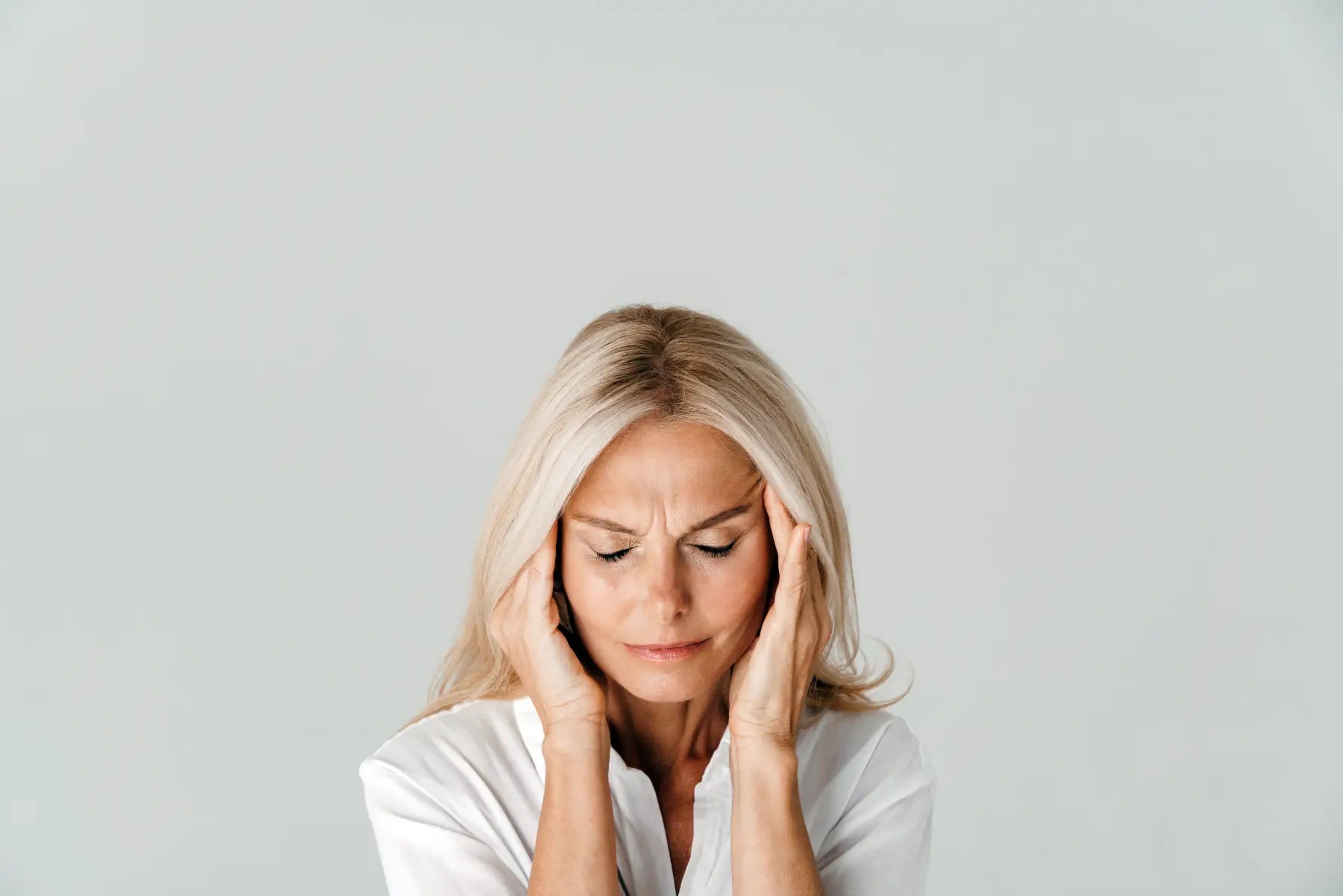
A perfume headache can feel just plain awful. You're trying to freshen up, and then, boom, you're suffering a pounding headache and your temples start throbbing, your stomach does a flip, or that scent just won't quit your head.
Some folks are just more sensitive to smells, especially in warm, enclosed spaces.
First Steps to Control Perfume-Related Headaches
- Get out of there and into some fresh air pronto.
- Open up the windows or turn on a fan to start airing it out.
- Wash that fragrance off your skin with some mild soap and water.
- Dim the lights, turn down the noise, and take it easy on your eyes.
- Drink some water and stick to your usual headache routine, if that's safe for you.
- If you're in a crowded or enclosed space, consider wearing a mask to cut down on all those pungent scents wafting around you.
What Not to Do: Keep sniffing to figure out what's going on, layer another scent on top to cover it up, or hang out in a stuffy room thinking you'll just get used to it. Honestly, some fresh air is your best bet.
This is general info, not medical advice. If your symptoms are severe, persistent, or just plain unusual for you, go see a doctor to get them sorted out.
Why perfume can cause Allergic Reactions and be a migraine trigger
Perfume is designed to travel far and wide.
Those bright, attention-grabbing notes are made of molecules that zip and zoom. It's great when they're in dose, but nasty when they're not. For those prone to fragrance sensitivity, exposure can be a migraine trigger, and headache is one of the main Olfactory Symptoms Reported.
Some people's headaches come down to the intensity of the smell, times how sensitive they are to fragrances. Stress, lack of sleep, dehydration, or hormonal changes can all lower your tolerance.
Smells can easily trigger 'em if you're prone to migraines. In fact, about 50% of folks with migraine attacks say that strong odors are a trigger, and the symptoms start rolling in after they're exposed to certain scents.
There's also an irritation factor at play.
Those super-strong vapors can get those nerve endings in your face and head all fired up and primed for pain. The trigeminal nerve, which covers the mouth and nasal areas, is a key player in this game. It can be stimulated by fragrance molecules, which can then trigger all sorts of inflammation and headache pain.
In small doses, it's fine, but in larger doses, the sheer number of molecules can just overwhelm you.
Volatile organic compounds (VOCs) are the culprits here. They're what give perfume its smell and can also irritate your nasal passages, cause inflammation, and trigger headaches. Perfume headaches are basically caused by all those VOCs getting into your system and triggering a reaction in your nerves, blood vessels, or histamine levels. And in some cases, folks might even get olfactory hallucinations, where they think they smell something that's just not there.
How does your nervous system interact with Perfumes?
Perfumes are made up of all sorts of plant-based ingredients and synthetic compounds designed to make all sorts of scents. Plants give you essential oils, while synthetic compounds like phthalates or aldehydes are used to replicate or create totally new scents.
Some of these ingredients can be a problem for people who are sensitive. And yes, some of these ingredients can be a problem for people who are sensitive. Fragrances and perfumes comprise dozens of different natural and synthetic chemicals that all work together to create that lovely smell, and some of 'em can even cross over into your brain and interact with your nervous system. Synthetic fragrance-induced headaches are usually just an irritant response, but in some cases, perfumes can also contain allergens that cause real allergic reactions and headaches.
Perfume triggers can be pretty similar to other common migraine triggers, like certain foods.
Keeping a diary can help you figure out what might be causing your migraines. Keeping a diary to track what foods or smells you've had can help you figure out what might be causing your migraines.
Indoor air can play a role, too.
A big spray in a small bathroom or elevator just has nowhere to go, and heat just makes it all worse.
Your clothes can even hold onto scents for hours, re-releasing them whenever you move, so sometimes just switching up what you're wearing can solve the problem.
What kind of reaction are you looking at?
It's either a regular headache, tight pressure that goes away when you leave the area, or it's a migraine-like pattern, with throbbing, nausea, and sensitivity to light or sound.
Some people even get olfactory hallucinations, where they think they smell something that's just not there.
Watch for the timing of your headaches.
If they're happening fast in an enclosed space, it's probably all about the intensity of the smell. Headaches can occur pretty soon after exposure to certain scents or environments, and it might be multiple fragranced products that're triggering it.
Get yourself to a doctor ASAP if you ever experience breathing trouble, swelling, or just feeling lost, or if your headache is the worst it's ever been.
Who's most at risk of having fragrance sensitivity?

Perfume headaches vary from person to person, with some individuals being more sensitive to fragrance molecules than others.
People with a history of migraines or allergies are often more prone, as certain scents can overstimulate sensory receptors and trigger discomfort.
Genetics can also play a role; if sensitivity runs in your family, you may be more likely to experience it. Exposure to strong scents, whether from perfumes, colognes, or everyday products like shampoos and soaps, can worsen symptoms, especially in shared spaces like homes or offices.
Some groups are more vulnerable, including pregnant women, children, and those with weakened immune systems. Factors like stress, fatigue, or medication use can further increase sensitivity, meaning what feels mild to one person may trigger a significant headache in another.
The thing is, everyone's sensitivity is unique, and it can depend on loads of factors, including how you're wired, your environment, and what you do every day.
What gives one person a headache might not even touch another person. By paying attention to your own reactions and taking note of which scents or situations make you feel cruddy, you can take steps to stop getting headaches and figure out how to avoid them. That's basically what this little article is all about: to help you navigate the world of perfume and understand the connection between smells and headaches, and to offer some practical tips to make a real difference in your life.
That might mean switching to natural perfumes, avoiding smelly smells, or just finding what works best for you.
We'll take a look at the scents that are most likely to set off a headache and how to figure out if you're in a dodgy situation next up. If you're trying to get to grips with perfume-related headaches or want to understand how strong smells are affecting your body, then read on.
The Migraine Sufferer's Trigger Checklist
Most people find that perfume headaches are down to a combination of factors rather than just one dodgy brand.
- Too many spritzes.
- Stinking up the place near your face.
- Being in a small enclosed space.
- It's hot or windy.
- Overdoing it with the scented products.
- You're feeling stressed, dehydrated, or knackered.
Ask yourself a couple of simple questions: how many spritzes did I use, where was I spraying, and what was the situation?
That gives you a pretty clear clue of where to start with prevention. Usually, that gives you a pretty clear clue of where to start with prevention. Some people find that perfume can trigger a migraine just like the smell of cigarette smoke or weed killer.
Keeping a little log for a week can help.
Keeping a diary of headaches can be super helpful for figuring out what's triggering them. Just jot down the scent, how many spritzes you used, where and when, and how you felt afterwards.
The Scent Tolerance Protocol
Prevention is all about how you wear your perfume rather than finding the perfect one.
- Start with just one little spritz or a single dab on a pulse point to keep the scent at bay.
- Keep back from your face.
- Apply your perfume at home and let it settle for 10-15 minutes.
- If you're trying a new one, wait 24 hours before deciding if you want to wear it regularly.
- Try not to layer up with scented products.
- Skip reapplying in public.
Most perfume headaches are just down to too much of a good thing.
How to Sample Safely
Sampling can save you from making a mistake.
Start with a Test Strip
Take one little spritz on a strip of paper. Smell it from 6 inches away.
You can trust that reaction if it already feels a bit too much, then you can trust that reaction.
Micro-testing on your skin
The next day, take one spritz on your inner forearm.
Just one little test spot. Not on your neck, clothes, or anywhere else. Just one little test spot.
Use some checkpoints
- 10-15 minutes: has it calmed down?
- 30 minutes: comfy or not?
- 3 hours: how does it feel now?
- By the end of the day, is it still nice?
Just write one line at each stage.
If you can wear it twice and still feel alright, then it's a go.
Choosing gentler natural perfumes
No perfume is 100% guaranteed not to cause a headache, but you can improve your odds.
Switching to natural perfumes or diluted essential oils which are plant-based, might be better tolerated than synthetic chemicals like phthalates or aldehydes. Natural perfumes are usually made from organic plant ingredients, which are better for you. Solid perfumes, which are wax-based, release scent more slowly and can reduce headaches. Looking for lighter fragrances labelled 'light', 'fresh', or 'airy' can help avoid overwhelming your senses. However, people with Multiple Chemical Sensitivity might react to even low levels of synthetic or natural compounds.
Look for words like 'sheer', 'soft', 'clean', 'airy', 'subtle', or 'skin-like'; those usually mean it's a close-wear scent.
Lots of people seem to get along with soft citrus scents, with notes of tea and green, or airy musks & gentle woods.
What makes a perfume tolerable is more about how strong it is than what it is made of; vanilla can be super cozy or totally overbearing depending on how concentrated it is and how much you use.
Be cautious of very sweet gourmands. Thicker amber or resin scents can be a problem. And don't even get me started on smoky woods & incense, or anything that's just super bold & sharp.
If you know you love these kinds of scents, start by testing them super slowly, and don't use too much.
Fragrance etiquette in shared spaces
Sometimes the smell that triggers your issue isn't even your perfume.
Air fresheners & scented candles are a big source of nasty odors in shared spaces that can give you headaches. First thing to do is just open some windows or get outside for a bit, and you might also want to look into using some sort of air purifier to catch all the yucky smells. Give people some space if you can, and if you're really sensitive to smells, don't be afraid to tell people about it and ask for fragrance-free spaces at work.
And on really packed days, help out by using unscented products and just keeping it under wraps so you're not adding to the general stink cloud.
When to seek medical guidance
Most of the time, if you're getting headaches from perfume, it's just a matter of making some changes.
You should probably see a doctor if you're getting a lot of headaches, or they're super bad, or they come with other symptoms like migraines or breathing issues or neurological stuff, then you should probably see a doctor to get things figured out and get some treatment. They can help you identify what's going on and make a plan to help you cope with it all.
Don't just ignore the pattern if it keeps getting worse.
Also, there are a few things you can do to try and manage the symptoms for yourself, like staying hydrated and trying out some essential oils like peppermint or lavender.
Where Zermat fits in
If you’re exploring perfume while managing sensitivity, start with variety and keep things light.
Zermat offers accessible options designed for everyday use, making it easier to test what works for you.
Begin with lighter scents, using just one spray, and pay attention to how they feel from first application through dry-down.
Build a small collection and compare them alongside a fragrance-free routine to find your best match.


