




B2B Page D - Direct Sales Companies
Get started
Become a Zermat affiliate
Leave your details and a member of the Zermat team will reach out with everything you need to start sharing the products you love.
Direct sales isn't just about selling stuff without a store shelf; it's also one of the shortest ways to start your own business. It's about the direct experience of product discovery through real people, genuine guidance, and personal recommendations. And in beauty, that really matters because fragrance, skincare, and makeup can be so much easier to choose when someone helps you figure out how they fit into your life.
For a brand like Zermat, which is all about accessible luxury, Latin warmth, signature scents, skincare, and makeup, direct sales just feel natural. It connects beauty with community, confidence, and the joy of sharing products that help people feel put together in their own way.
IMAGEN 2 · What Are Direct Sales Companies All About?
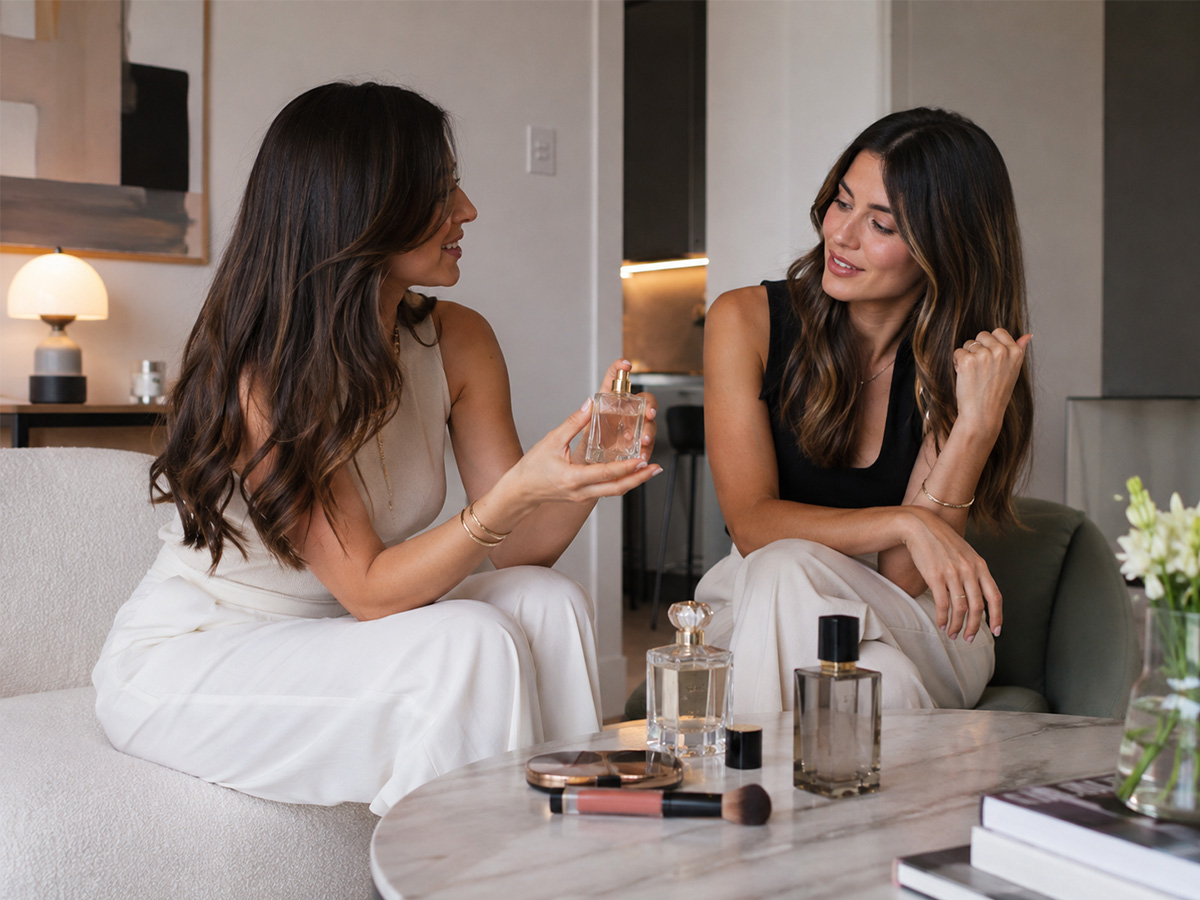
Consultora explicando un producto uno a uno
Consultora explicando un producto uno a uno
The basics
What Are Direct Sales Companies All About?
Direct sales companies sell products to customers without an intervening agency, through people like their consultants or representatives, online catalogues, personal recommendations, events, or social media. They bypass traditional retail stores to create a more direct route between the brand, the seller, and the customer.
You'll find this model popping up in all sorts of industries, from home goods to wellness to beauty. The main idea is pretty simple: a customer finds out about a product through a direct channel, rather than just spotting it on a store shelf.
That direct channel can be a person, an online catalogue, a social post, a product demo, a beauty event, or a one-on-one chat. In many cases, a representative or consultant will help you understand the product using their own exact words, answer your questions, and guide you towards a choice that makes sense for you in a direct manner.
Beauty's a great fit for this model because people often want a bit more context before they buy. A perfume description might sound nice, but a real recommendation can tell you when the scent is going to feel right. A skincare product might list its benefits, but a person can explain where it fits into their routine. A lipstick might look great online, but a trusted guide can help you imagine how it'd look with your style and skin tone.
That's what sets helpful direct selling apart from just random promotion: the direct result is human guidance.
Direct sales companies may also offer earning opportunities for people who want to share products more actively. Some sellers might earn money based on their personal sales, referrals, or other company-specific terms. Since those details don't go in a straight line, it's always a good idea to review each company's rules before joining or recommending.
How it works
How Do Direct Sales Companies Usually Work? The Direct Route
Most direct sales companies start with a product line, which could be beauty products, fragrances, skincare, makeup, home goods, personal care, or other everyday items. They then figure out a way for people to buy directly, often through representatives, consultants, catalogues, websites, social selling, events, or customer referrals.
The seller's role is to help achieve a connection between the product and the right customer. In beauty, that might mean explaining scent families, sharing a skincare routine, helping someone choose a gift, or showing a makeup look that's easy to recreate.
The customer's role is a bit more active than it would be in a traditional retail experience. Instead of just walking past a shelf on their own, the customer can ask questions and get a direct quotation. They might want to know if a perfume feels fresh or warm, if a skincare step is simple, or if a makeup product fits their everyday style.
This personal approach is what makes direct sales feel different; it turns shopping into an honest conversation.
The Simple Path and Direct Connection From Product to Customer
A direct sales model usually looks like this:
-
1
A company offers a product line.
-
2
A representative or seller shares the products.
-
3
A customer learns through a recommendation, catalogue, event, or online path.
-
4
The customer buys directly.
-
5
The seller may earn based on the company's terms.
It sounds simple, but the quality of the experience ultimately comes down to trust. A good seller doesn't just push every product to every person; they listen first. They notice what the customer wants, and then guide them towards something that makes sense with confidence, authority, and care.
For example, if someone's looking for a soft everyday fragrance, the seller shouldn't push the boldest scent just because it's popular. If someone wants a simple skincare routine, the seller shouldn't overwhelm them with too many steps or take control of the decision-making process. If someone wants makeup that works across different types of weather, the seller should provide the buyer with the most fitting product for it. A seller is responsible for helping them find flexible products, keeping the experience in motion, and addressing the customer's needs and interests.
That kind of care is what builds a better customer relationship and makes the sale feel more human.
Why beauty
Why Beauty is a Great Fit for the Direct Sales Model
Beauty is a perfect fit for the direct sales model because customers often need guidance before they pick a product. A fragrance, skincare product, or makeup shade can be super personal; customers might want to know how it smells, feels, wears, or fits into their daily routine.
That's where the guidance from a direct seller comes in. They can take product info and turn it into something much more useful. Instead of just reading a label, the customer gets the lowdown: when to wear a scent, how to build a simple routine, or what kind of makeup finish suits their style.
In beauty, this level of support can make the shopping experience feel much warmer and less overwhelming.
Beauty is Easier to Choose When You Have Guidance
A customer might love perfume but have no idea where to start. Fresh, warm, floral, sweet, clean, and bold might all sound nice, but they're a lot more meaningful when someone ties them to real moments.
The same goes for skincare and makeup. A skincare shopper might want fewer steps, while a makeup shopper might want colours that feel natural with their skin tone or bold enough for a night out. Good guidance helps people pick products with more confidence.
Inclusive beauty is also a must; a helpful direct sales experience should be welcoming to different skin tones, ages, styles, identities, and routines. It shouldn't assume that one product, scent, or look fits everyone.
That's why beauty direct sales is best when it feels personal, not pushy.
IMAGEN 3 · Why Beauty is a Great Fit
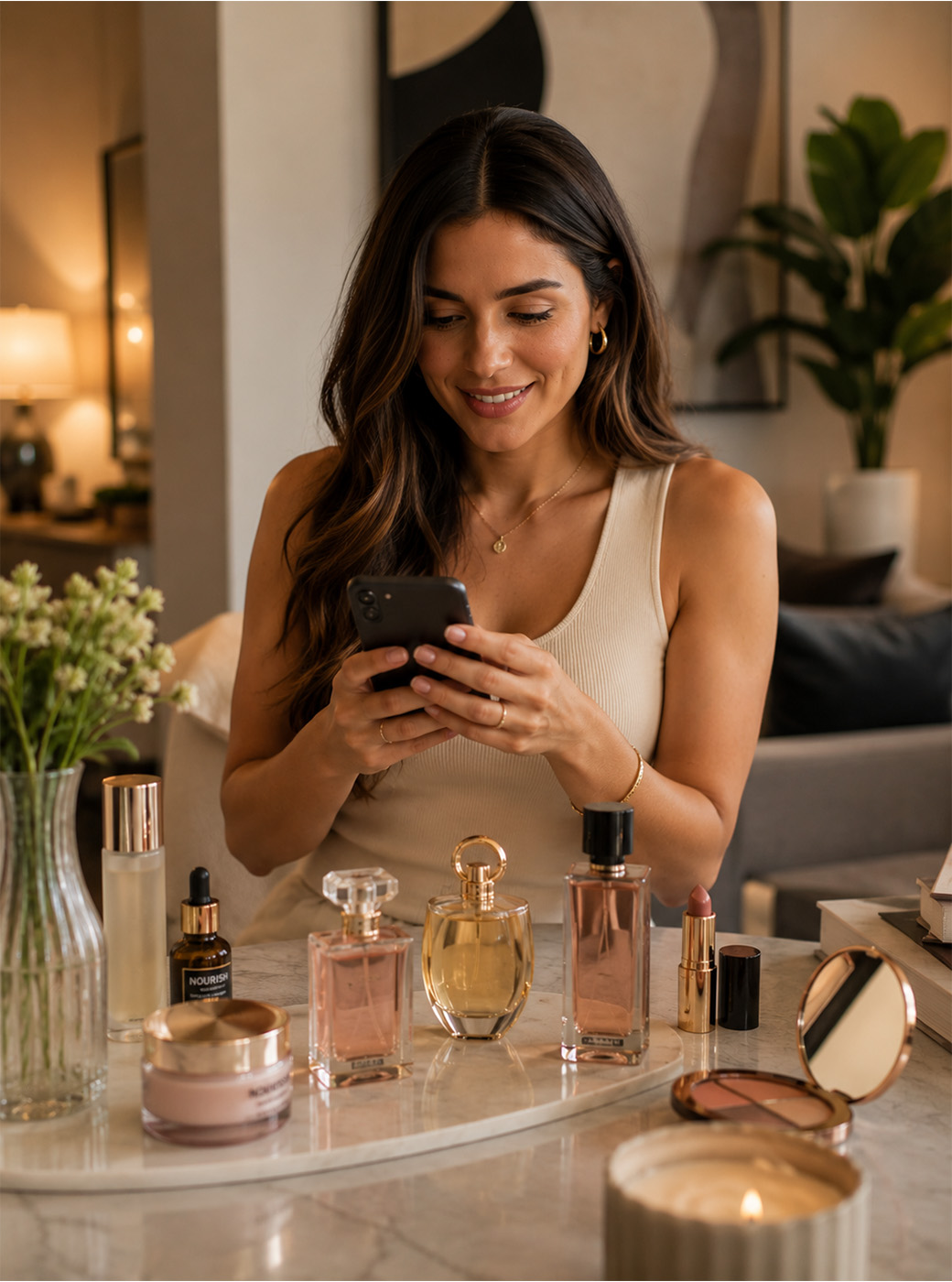
Asesoría de fragancia, skincare y maquillaje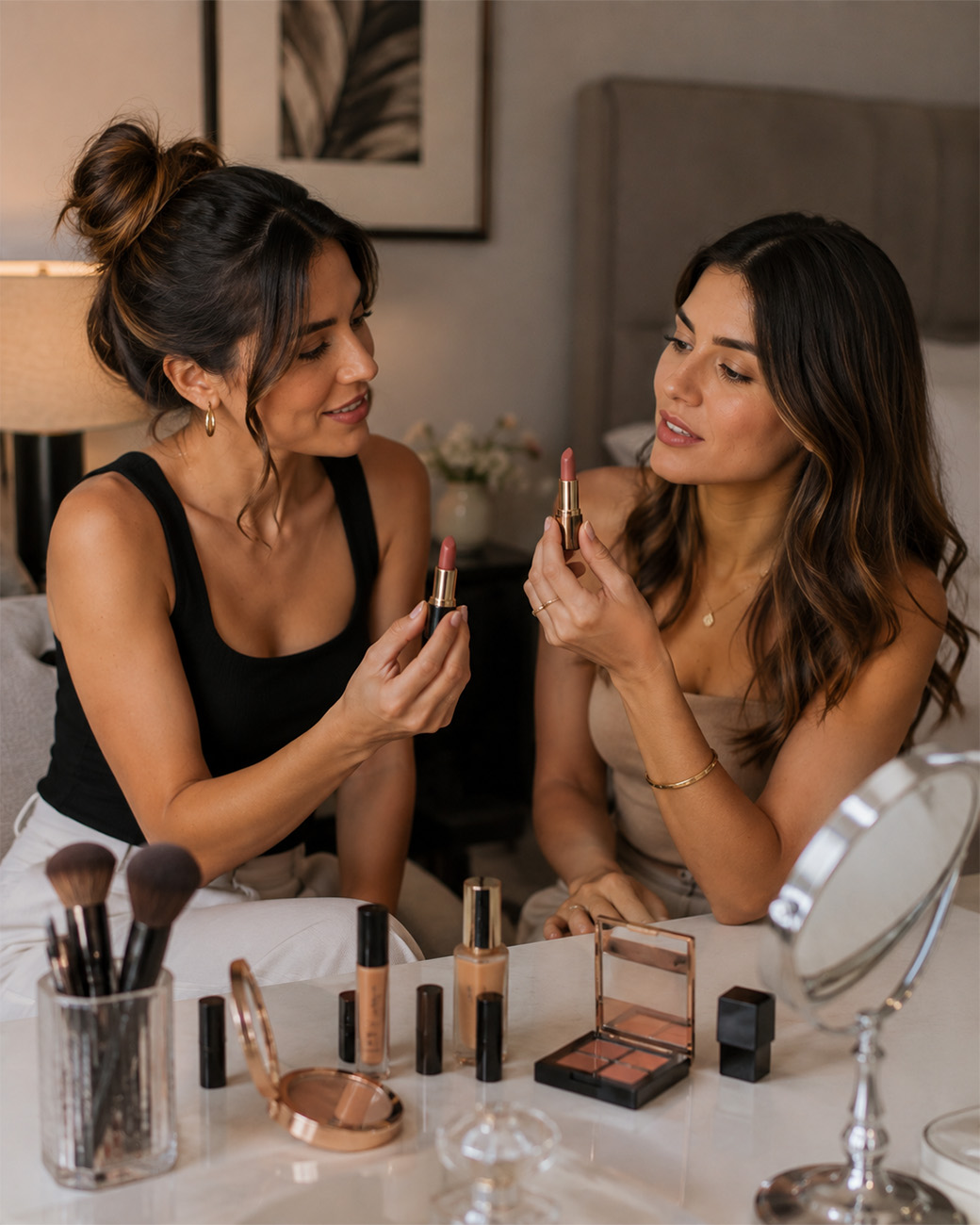
Asesoría de fragancia, skincare y maquillaje
What to compare
What to Look for in Direct Sales Companies: The Direct Link to Customers
Before exploring or joining direct sales companies, look at the full experience, including the day-to-day demands of the work. The products matter, but so do the terms, support, and brand values.
A strong direct sales company should make it easy to understand what's being sold, how customers can buy, and how sellers can get involved. Clear information builds trust on both sides.
Here's what to look for:
-
Clear product info so you know exactly what you're buying.
-
Products that fit your audience or style.
-
Transparent terms and expectations so you know what's coming.
-
Support or education for sellers to help them do their job.
-
A catalogue that's easy to explore so you can find what you want.
-
A brand story you can stand behind and believe in.
Sellers also need to have a lot of self-discipline because there's often no fixed corporate schedule. And they need to be able to handle rejection; some prospects won't be interested, and that's okay.
Product quality is especially important in beauty. Customers want products that are easy to use and feel good on their skin. If the catalogue includes fragrances, skincare, and makeup, sellers have more ways to match products to real needs.
A strong catalogue gives sellers the tools they need to build a full beauty experience. A perfume can be the final touch before leaving home, a skincare step can support a calm morning routine, and a makeup product can add colour, polish, or confidence.
That variety makes direct sales feel more useful because it gives the seller more ways to match products to real needs.


