



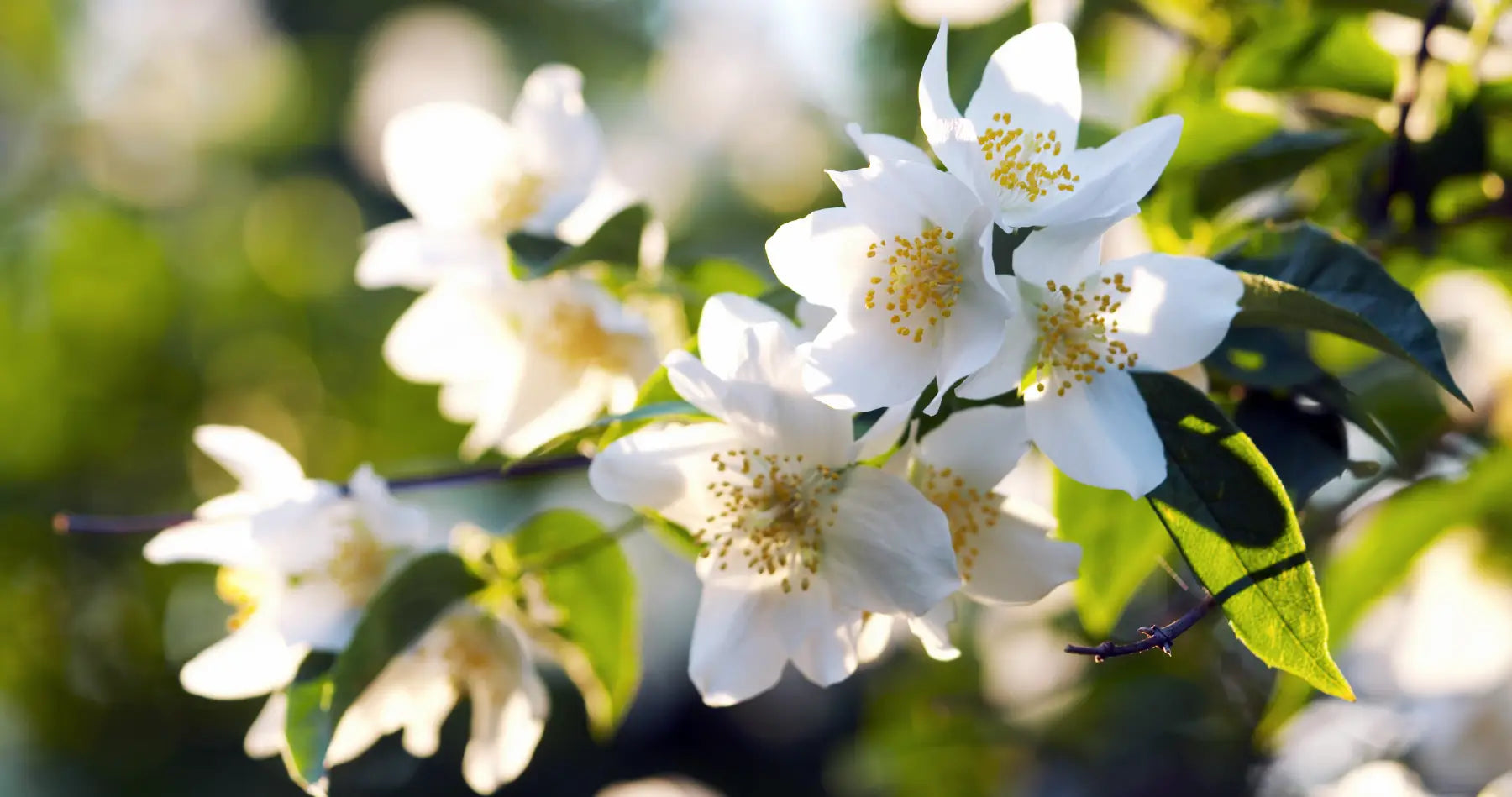
What does Tuberose Smell Like? The Real Scoop on this Iconic White Floral
There's always a lot of buzz about Tuberose, either in hushed tones or full-on debates. People toss around words like "intoxicating", "exotic", and "overwhelming". Let's be real: a lot of people have heard wildly varying opinions about Tuberose, either from friends, fragrance experts, or their own personal experiences, but have you ever wondered what Tuberose smells like?
Fact is, Tuberose isn't shy, but it is often misunderstood. And that's because Tuberose flowers themselves have a seriously rich, heady, floral scent with a really complex set of notes, think creamy sweetness, a haunting undertone, and even a hint of melancholy.
So what does Tuberose scent actually smell like?
At its core, Tuberose smells rich, smooth, and deeply floral, with a velvety softness that's lush rather than powdery. It's a white floral that wraps you up in a warm, enveloping hug rather than leaving things light and airy.
You might catch whiffs of natural sweetness, a subtle green freshness, and a smooth, milky texture that just lingers on the skin. Some people even pick up on pretty unusual notes in Tuberose, like butter, rubber, body odour, and even a whiff of meat, which just adds to its complexity.
Tuberose is basically a complex floral scent that can range from cool and green to out-and-out heavy and velvety, depending on the variety and individual interpretation. And here's the thing, it just unfolds slowly, it doesn't throw itself at you straight off the bat.
Tuberose has this seriously rich, creamy, floral smell with a touch of sweetness & a velvety texture. It feels warm & snuggly rather than fresh & zesty, so it's often described as a real carnal flower.
Long-lasting & smooth, Tuberose is one of the most recognisable white florals in perfumery. What makes Tuberose feel so unique is how physical it is as a scent.
It doesn't just hover above the skin; it settles in.
Is Tuberose sweet, creamy, fresh, or is it all of the above?
Tuberose is layered, which is why descriptions vary so much from person to person. It has a distinctly smooth character, often compared to butter or warm milk. That creaminess gives it a real body & depth, it is also often described as a heady white floral scent that is interpreted as sexy.
The sweet & floral scent
Tuberose has a sweet, narcotic fragrance that evokes floral and animal nuances, but it's natural rather than sugary. Think of fragrant petals rather than desserts.
And under that, a subtle green note helps to balance things out. It's that balance between creaminess, sweetness & green freshness that keeps Tuberose from feeling flat & dull.
The scent just shifts as it wears, too.
Why does Tuberose smell so strongly?
The scent of tuberose is widely considered the most powerful and complex in the floral kingdom. The flower itself is seriously fragrant, especially at night when it lets out the most aroma. A few stems of tuberose can fill a large room with fragrance for days, and the blooms continue to exhale scent for up to 48 hours after being picked. In perfumery, that means strong projection & longevity.
Its build is part of the reason why it's got such a strong reputation. The way the scent clings to the skin means even the softer blends announce themselves pretty loudly.
That's why opinions on Tuberose are so mixed; some people love it straight away, while others prefer the modern versions that soften it up with lighter notes. The intensity doesn't mean it's harsh, though.
When it's done right, Tuberose just feels confident rather than aggressive.
How does Tuberose behave on different skin types & climates
Skin chemistry actually plays a pretty big role in how Tuberose develops, so your personal skin type can really affect the scent. On warmer skin, the creamy & sweet facets tend to come forward. On cooler skin, the floral edges may stand out.
Climate does too, in hot weather, Tuberose feels bright & lush. In cooler temperatures, it becomes smoother & more contained.
If you apply it lightly, Tuberose can be really wearable; a little truly goes a long way.
Why does Tuberose feel so sensual to so many people
Tuberose is often described as seductive, and it's no wonder why. The combination of warmth, creaminess, and persistence just makes you want to reach out and smell it, doesn't it, and that enduring presence is what seduces.
Unlike those cool florals that seem to just evaporate off the skin, tuberose lingers and unfolds over time. There's something so personal and intimate about that lingering quality.
It's as if it becomes a part of you, like a second skin. In modern perfumery, tuberose is often mellowed out or brightened up just a little to make it feel more approachable, rather than dramatic.
Tuberose in todays fragrances
Nowadays, the tuberose fragrances you find on shelves are pretty different from the heavy, old-fashioned versions of years gone by. Contemporary perfumes are all about balance and elegance.
You're more likely to see tuberose blended with some lighter florals, a bit of subtle fruit, or a touch of soft musk, all to bring out its refined and polished side rather than the dramatic. This more delicate approach makes tuberose so versatile, radiant during the day and quietly magnetic at night.
The takeaway on tuberose
Tuberose has a distinctive smell, creamy, floral, and just about confident, with a warmth that really sets it apart from those fresher white flowers. It's strong, yet also pretty nuanced and adaptable. The key to really appreciating tuberose is to understand its layers; it's not about going over the top, it's about the personality that shines through.
Does tuberose smell like jasmine or gardenia?
Tuberose is often lumped in with jasmine and gardenia because they all sound like white flowers, but the differences make all the difference.
Tuberose vs jasmine
Jasmine feels light and airy, lifting quickly off the skin, whereas tuberose is denser and creamier, with a slower presence. Both can be sensual, but in my experience, tuberose reads a lot richer and more grounded.
Tuberose vs gardenia
Gardenia and tuberose have that creamy quality in common, but the texture is totally different. Gardenia feels plush and soft, while tuberose has just a bit more edge and depth.
What kind of person loves tuberose?
People who fall for tuberose tend to be those who enjoy fragrances that feel warm, expressive, and memorable. It's about presence rather than sheer projection power.
Tuberose is also a popular choice as a signature scent because it adapts to the wearer in a way that feels personal and individual, rather than generic. It's not all about age or gender when it comes to tuberose; it's about confidence and feeling comfortable with scent as a form of self-expression.
How tuberose is used in modern perfumes
In modern perfumery, tuberose is rarely used on its own. Perfection of balance and wearability are the name of the game.
You'll usually find it blended with:
- A bit of lighter florals to add an airy quality and make the scent feel really atmospheric, the sort of thing that makes you want to sniff it all day\
- Some subtle fruits to enhance sweetness and bring out the best in the tuberose\
- A touch of clean, smooth musk to smooth out the base
Tuberose often works as a heart or base note in perfumes, adding a sensual and captivating floral touch, or sometimes it's used to blend harmoniously with sweet gourmand notes like vanilla, honey, or caramel, alongside other florals like rose, jasmine, and ylang ylang to create intoxicating florals. The approach keeps tuberose recognizable but makes it so much easier to wear in your everyday life.
Is tuberose wearable for everyday?
Yes, in modern formulae at least. It all comes down to application and balance. Tuberose feels radiant in warm weather and a lot softer and more contained in cooler climates. Overall, tuberose today is way more versatile than its reputation suggests
Why tuberose fits Zermat’s approach to fragrance
Tuberose aligns perfectly with Zermat’s philosophy of accessible luxury with character. It feels elevated yet effortlessly familiar. With expert formulation and strict global quality standards, tuberose becomes inviting rather than intimidating, confidence and individuality at its finest.
Fragrance families: where does tuberose belong?
Tuberose, a flower of considerable character in the world of scent, has a rich, intoxicating floral aroma that really pulls its weight. In the perfume jargon, tuberose gets pigeonholed as a floral, but that's just the start; most of the time, it's blended into a floral amber sub-family, which basically means it brings a beautiful flowery quality, along with a warm, sensual, and exotic element that's at once exciting and rather refined.
When it comes to creating those iconic tuberose perfumes, often the creative genius comes from husband-and-wife teams or close collaborations within top-notch perfume houses. These experts know the trick of working with tuberose's special character: that waxy, almost peppery top note, and that lush, creamy heart. But the thing is, if you're not careful, tuberose can be overwhelming; so it takes a really discerning nose to balance out its intensity and bring out the best bits.
What is it about tuberose that makes it so versatile? Well, it happily blends with other notes, for instance, gardenia, jasmine, or a bit of citrus to give it a light, sparkling contrast. And when the drydown kicks in, tuberose often reveals a gorgeous, warm amber-like quality, sometimes wrapped up with fruity notes or the kind of resinous depth you get from labdanum. It's this transformation that makes the experience of tuberose so thrilling: it starts strong and intense, and then softens into something happy, sensual, and genuinely appealing.
When you spray it on pulse points, the long-lasting qualities of tuberose are seriously impressive; it can just keep going for hours, sometimes even days, leaving a lush, memorable trail. The extract itself is just about the most precious and difficult to get in perfumery, making every single drop worth the effort. In India, where tuberose is carefully harvested, its scent is closely tied to love and celebration, which adds an exotic, romantic touch to any creation.
Tuberose's strong, beautiful contrasts, light citrus and deep amber, fresh green and velvety floral, make it a bit of an olfactory surprise; it's always keeping the nose on its toes. Whether it's the star of a perfume or a supporting element, tuberose brings a sense of excitement and a touch of sophistication that's hard to beat. It's a flower that feels like it's alive, perfect for those who want their fragrance to tell a story and leave a lasting impression.
Frequently Asked Questions about tuberose.
Is tuberose too strong for everyday wear?
Not necessarily. Modern blends often find a way to soften the edges a bit. Applying it lightly, it can feel elegant and comfortable.
Does tuberose smell old-fashioned?
Classic versions can feel a bit dated, but contemporary blends are cleaner and more modern.
Is tuberose better suited to day or night?
It works for both. Lighter use is better for daytime, while evenings are where its warmth really shines.
Discover tuberose the Zermat way.
If you're curious about tuberose, the best way to get a handle on it is to try it out in a thoughtful formula. At Zermat, our collections are designed to be expressive and easy to wear.
Explore Zermat's perfume, skincare, & makeup lines to discover scents that celebrate individuality and confidence, made to blend into everyday life.


