



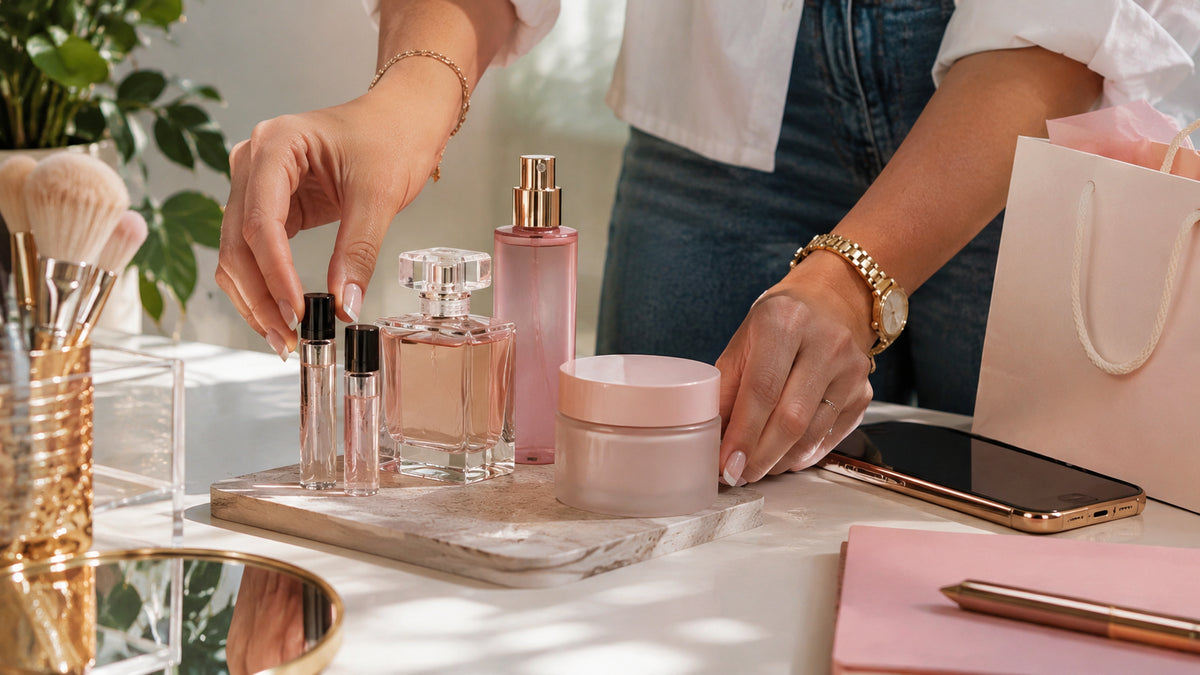
Winning first beauty customers means knowing each target customer’s primary beauty concern. It means profiling shoppers based on age and buying motivation. It also means identifying curious visitors from high-intent buyers. Build your business strategy on that foundation, and you’ll shape messaging, positioning, and first-purchase experience around your most likely buyers’ needs and expectations.
From that point on, the work comes in mapping out the customer journey, defining a strong value prop, learning how beauty buyers purchase, and acquiring those initial customers through both offline and digital channels. It also means earning trust and affinity through influencers and user-generated content, utilizing trends, personalized product matching, and first-party data to drive conversions, and then converting that strong first purchase into repeat purchases and loyal customers. For emerging and scaling beauty brands, doing this effectively is critical: your first customers are who you build your trust with, your market validation comes from, and who will create your foundation for growth.
Map the Beauty Customer Journey
Mapping out every stage of the customer journey can help you determine the major discovery touchpoints before purchase number one. You should recognize friction points throughout product research and collect trust signals upon checkout. Tie activities happening after your purchase to gain customer loyalty down the road.
Define Your Beauty Brand’s Unique Value Proposition
Before you get your first customers, think about what sets you apart from others. Your unique value proposition (UVP) describes who your cosmetics are for, what they help them with, and why they should buy from you instead of someone else.
Do market research to study your competition. Visit other beauty brands' websites and review their products compared to yours. Look at pricing, ingredients/lifestyle, and read customer reviews. What are some beauty needs they aren't fulfilling? Expensive skincare for sensitive skin? Shades for all skin tones?
Drive your unique selling proposition home through every aspect of your web pages, your product descriptions, your promotional campaigns, etc. Make sure it's something specific; don't just say something general like "great quality merchandise". Test out your messaging on customers with surveys, product samplers, feedback, etc to find out what will appeal to buyers.
Understand How Consumers Shop for Beauty Products
As beauty consumers learn about new products on social media channels more than ever before, understanding where beauty buyers like to research products and how online reviews impact purchases is essential. Also, learning how mobile shopping behaviors differ from desktop usage can help ensure retailers are creating the best experience for buyers, both online and in-store.
Where to Find Your First Customers
Think about how your ideal customers shop and find out about beauty products. Social media platforms like Instagram, TikTok, and YouTube allow brands to market directly to potential customers by sharing product demonstrations, tutorials, and beauty tips.
Online beauty forums, communities, and marketplaces can also help you learn about customer needs while discovering shoppers looking for certain products. Google Search can connect you with customers in the research phase of online shopping, like when they're looking up beauty concerns or comparing products.
Offline channels shouldn’t be ignored either; local beauty events, pop-ups, salons, and community events are places where prospects can try products before buying. Consider where your dream clients spend their time and money and measure which channels drive authentic interest and conversions.
Attract New Customers Through Social Media
Beauty brands connect with their potential customers on social media; there, they demonstrate their products and build trust with their audience even before their first purchase. Makeup tutorials, skincare routines, product demos, and educating viewers on common skin/beauty concerns are effective tools brands can use on Instagram, TikTok, and YouTube.
Try focusing your content on educating your followers about your products. Instead of overposting about sales, demonstrate how your products can benefit them. Post hashtags when they are relevant, answer comments, and invite questions and testimonials.
Make sure to use strong calls-to-action that lead shoppers to your product pages or online store. Monitor clicks, site traffic, and conversions to see which content drives the most prospective buyers.
Build Trust Through Micro-Influencers and User-Generated Content
Trust is often mentioned as one of the biggest challenges new beauty brands face, particularly among shoppers who aren't yet familiar with what you offer. Teaming up with micro-influencers and promoting UGC is a great way to demonstrate your product's credibility through real people.
Micro-influencers will often have smaller but niche audiences than top-tier influencers; partner with creators who focus on the beauty audiences you want to reach. Instead of looking for influencers with the highest follower count, seek out those who create content that aligns with your products, audience demographics, and brand values. If you sell skincare specifically for sensitive skin, you may want to consider influencers who consistently post about gentle skincare practices and being mindful of ingredients.
There are several ways to build relationships with beauty influencers and encourage authentic product recommendations:
-
Product gifting: Send complimentary products to relevant creators so they can experience your brand firsthand. Make it clear whether content is expected in return, and avoid requiring positive reviews.
-
Sponsored collaborations: Partner with influencers to create tutorials, product demonstrations, or reviews that explain your products' features and benefits.
-
Affiliate partnerships: Offer creators personalized discount codes or referral links to help introduce their followers to your products while tracking sales.
-
User-generated content: Encourage customers to share makeup looks, skincare routines, product photos, and their experiences using your products.
Authenticity matters with beauty products that most people aren't familiar with. Shoppers may want to know how a makeup product looks on another skin tone, how a skincare formula works in someone else’s routine, or how a scent may be described by a person who enjoys similar smells. This can allow potential buyers to get a feel for products before making their first purchase.
Always get permission before reposting customer content, and make sure influencers disclose sponsored partnerships or gifted products when required. Do not modify testimonials in a way that inaccurately portrays customer experiences or overstates results.
Lastly, track conversions related to each collaboration. Monitor engagement rates, referral traffic, discount code usage, and first-time beauty purchases. This information will help you understand which creators drive interested customers and help you develop sustainable partnerships that will grow your beauty brand for years to come.
Use Beauty Industry Trends to Shape Acquisition
Keeping up with beauty trends can allow brands to keep track of shifting consumer needs and discover ways to reach new customers. While personalized skincare, inclusivity in makeup lines, transparency in ingredients, and eco-friendliness are all hot trends, these may or may not apply to you. Consider your customer.
Review customer feedback, social listening platforms, Google Trends, and your competitors to spot emerging trends. Look for common beauty complaints, requested ingredients, and features that consumers are searching for.
Rather than jumping on every bandwagon, concentrate on trends that match your brand's image and tap into genuine consumer pain points. For instance, if consumers say they want simpler skincare routines, a beauty brand can market products that serve multiple purposes. Or, a makeup company can emphasize its wide range of shades to appeal to previously unreachable consumers. If you're making claims about sustainability or ingredients, make sure your packaging includes correct product info.
Match Beauty Products to Customer Needs
Help your customers discover products they need. When shoppers have a specific beauty need, group products that fit those needs together. This helps simplify shopping for new customers and can drive first-time purchases. Rather than grouping by category only, group by need. Dry skin. Oily skin. Sensitive skin. Different makeup needs. Fragrance families.
Help shoppers understand what will work for them by providing product comparisons, shade charts, and information about formulations. Tools like personalized recommendations, skin quizzes, and virtual try-ons can further help consumers narrow down their selections based on personal preferences.
For customers unfamiliar with your brand, explain which products are beginner-friendly and who they work best for. Describe how to use your products and what customers can expect to achieve. By allowing consumers to more easily discover products that are relevant to them, you can limit confusion and purchase anxiety.
Build a First-Party Data Strategy
One of the main reasons to capture consent during product discovery is to collect valuable insights. Brands can evaluate how shoppers interact with shade finder tools and virtual try-on programs to learn about preferences, gaps, and demand. Marketers can connect browsing data with the consumers' purchasing decisions, with data showing what consumers are doing, teams across the organization can ground both marketing and personalization decisions based in real consumer behavior. This also lets you see how many steps it takes for a shopper to make a conversion.
Create a Confident Shopping Experience
When new customers feel informed about your products, your reliability, and your customer service, they're more likely to convert. Because these new shoppers aren't yet familiar with your business, make sure you're transparent and address common questions to help them feel comfortable shopping with you.
Begin by making your product pages helpful and navigable. Add clear photos of the product, ingredient lists, application tips, and descriptions of who the product is ideal for. For example, skincare customers may look for information about whether a formula is right for their skin type, while makeup buyers might need assistance in determining which shades and finishes to pick.
Showcase real customer reviews and testimonials. Honest feedback from previous customers can give your claims more credibility. When possible, show verified customer reviews, customer pictures, and candid product experiences. Steer clear of overpromising or dubious results.
Lastly, streamline your checkout process. Be transparent about your shipping costs and expected delivery times, return policies, and payment options before your customers finalize their purchase. Allow guest checkout if possible, reduce form fields, and have customer support ready to help if there are any issues.
Beauty brands can build credibility with new visitors and turn first-time buyers into customers by making relevant information easy to find and focusing on answering the questions their customers ask most often.
Reduce Purchase Hesitation With Samples, Starter Kits, and Transparent Product Information.
It can be hard to convince shoppers to try unfamiliar products, especially if they have no opportunity to test the formula, shade, texture, or scent first. Samples, travel sizes, and inexpensive kits give shoppers a chance to try your products with no risk involved.
Skincare brands could offer trial-size routines for sale, and fragrance brands could sell discovery sets packed with multiple fragrances. Another option is for makeup brands to distribute shade samples or provide kits designed for beginners.
Make sure the information you share about your products is honest too: list ingredients, directions, deliver believable product results (no extravagant claims), and include photos/videos of the actual product being used. Display your pricing, shipping fees, delivery times, and return policy upfront so your customers are not surprised before checking out.
Combining accessible trial options with reliable product information helps reduce uncertainty, build trust, and make customers more confident about their first purchase.
Improve Customer Engagement Before They Make a Beauty Purchase
Personalized product recommendations based on customer behavior, preferences, and even skin type keep shoppers engaged and help discovery stay relevant. If a shopper looks at a lipstick, browses away without purchasing, then returns later after receiving a helpful reminder ad, personalization allows that second visit to be more relevant.
Many brands that personalize with new technologies like artificial intelligence see double-digit lifts in conversion. Helpful messages triggered after product discovery keep shoppers engaged too. Asking shoppers to save favorite products they often research multiple times before deciding which product to buy creates shopper loyalty and helps turn first-time buyers into returning customers. Collecting preference data is useful, but the real payoff comes from using it to trigger campaigns that bring shoppers back to convert.
Optimize the Conversion Rate for New Customers
Test and measure targeted campaigns around first-order offers as well as product-page conversion rates. If your intro offer is compelling enough, you could eliminate minimum spends on orders. Decrease checkout form friction and measure guest checkout rates against each other. Brands have some flexibility with checkout form layouts and messaging to create emphasis on signing up. This could include placing your first order offer in a noticeable spot on the page. Tracking registration and click-through rate along with product-page conversion is also beneficial.
Measure Customer Experience After the First Purchase
Securing your first customers is just the start. Assessing how your customers feel after buying allows you to pinpoint successes, troubleshoot potential problems, and enhance customer happiness. When you help customers enjoy a great experience after they buy, they'll want to return and recommend you to others.
Begin by sending tips on how to use your products after delivery. This can include how to apply skincare, makeup tutorials, or how to store fragrances. After customers have had ample time to try out the products, send them follow-up emails or short surveys asking them for feedback. Ask them about product quality, user-friendliness, delivery service, and whether the product lived up to their expectations. Customers expect brands to listen to their feedback and address their concerns, so use their responses to improve the shopping experience.
Pay attention to CSAT scores, product reviews, return rates, and customer support questions to catch common issues. Are you getting recurring skincare application inquiries? Then maybe your instructions could use some clarity. Getting lots of complaints about shade matches? Consider improving your product descriptions and adding more comparison photos.
Track how many first-time buyers purchase again and how soon they do it. Benchmark across segments of customers and product categories to see where experiences are leading to repeat purchases, which increases CLV (customer lifetime value)
Turn First Buyers Into Repeat Customers
Give customers a reminder to reorder when they run low, or use the moment to upsell them on comparable items. 56% of Gen Z and millennial consumers will only buy from brands they have purchased from before, making post-purchase engagement essential. Recommend sister products to first-time buyers to expose them to new offerings and implement loyalty programs that reward shoppers for buying, reviewing, and referring your products. By incentivizing continued purchases, you can increase customer retention, create brand ambassadors out of loyal shoppers, and grow your ecommerce store while driving future brick-and-mortar sales. Monitor repurchase rates by customer segments to determine successful retention strategies.
With these tips, you’ll be able to attract, convert, and retain customers through your beauty brand. Use digital and physical channels and data insights to create the best personalized experience possible for your customers. Allow customers to participate in a referral campaign once they’ve had the opportunity to try out their order.
FAQ
How Can a New Beauty Brand Get Its First Customers?
Begin by defining your target market and differentiating your beauty products from others'. Raise awareness by using social platforms, conducting product demos, attending local beauty events, and teaming up with micro-influencers. Providing samples or starter kits is a great way to allow potential customers to try your products before buying whole sizes.
How Can Beauty Brands Attract Customers Without a Large Marketing Budget?
Concentrate on low-cost customer acquisition strategies like organic social media postings, SEO, and engaging in online beauty forums and communities. Posting tutorials, answering questions from prospective buyers, and teaming up with small-scale influencers in your niche are all great ways to reach potential customers organically when they shop online.
Which Social Media Platforms Are Best for Attracting Beauty Customers?
Instagram, TikTok, and YouTube are all excellent platforms for sharing tutorials, reviews, and demonstrations of your beauty products. Ultimately, the best option depends on who you want to reach and what content they consume. Analyze traffic to your website by monitoring visits, engagement, and first-time purchasers to see where your best traffic originates from.
How Can New Beauty Brands Build Trust Without Customer Reviews?
Be clear about your product information with accurate pictures, ingredient lists, and don't oversell your product benefits. Partnering with beauty influencers who can provide tutorials on your products and offer their honest opinion is another great way to gain trust. Clearly defined shipping policies, easy access to customer service, and secure checkout can also help establish your brand as trustworthy.
Should Beauty Brands Offer Discounts or Free Samples to First-Time Customers?
Samples, discovery sets, and introductory discounts can encourage customers to try unfamiliar beauty products. However, brands should consider their profit margins before offering promotions. Trial-size products and starter kits can provide a lower-cost introduction to your collection without requiring significant discounts on full-size items.
How Beauty Brands Measure Customer Acquisition Success Through Consumer Behavior
Track customer acquisition cost (CAC), website conversion rates, referral traffic, and the number of first-time purchases generated by each marketing channel. Comparing these metrics helps identify which campaigns attract paying customers rather than simply generating engagement. Monitoring customer satisfaction and repeat purchases can also reveal whether you have effective marketing strategies or not.
How Can Beauty Brands Encourage First-Time Customers to Buy Again?
Provide your customers useful information about their purchases after the sale, ask for feedback, and suggest complementary products they might be interested in based on what they’ve bought before. Order reminders, loyalty points, and personalized promotions will prompt your customers to place more than one order. After your customers have had the opportunity to try out your products, referral programs can help persuade them to share your brand with their family and friends.


