

Selling perfume online comes with one major catch: your customers can't smell the product before buying. That changes everything from how you take photos to how you describe the scent, right down to how you build trust with potential customers and get your product to them in one piece.
- Anyone, whether you're talking about a single used designer bottle or a whole luxury perfume brand, can start selling perfume online in 2026.
- Success in this business depends on building trust with your customers, telling a compelling story about your brand, and getting your product seen by the people who want it.
- But making sure you're in compliance with all the rules and regulations around shipping perfume, packaging it safely, and making sure you're not getting yourself into any hot water by transporting hazmat- that's all pretty essential too.
- High-quality images and vivid scent descriptions are your best bet for replacing that in-store testing experience.
- And where you choose to sell, whether it's through your own ecommerce site, a marketplace, or on social media, that's got a big impact on how profitable and how fast you can grow.
Getting to Grips with the Online Perfume Market Today
The US perfume market has been worth a whopping 13 billion bucks by 2024, and it's only going to keep on growing right up to 2030. And guess what? Online fragrance sales are running ahead of offline ones, and luxury and niche fragrances are proving especially popular.
Some of the most important product segments include:
- Designer staples: You know, those high-end fragrances that sell in big volumes but have a lot of competition for your attention.
Niche fragrances: Luxury brand fragrances are especially popular among consumers willing to pay premium prices for a sense of exclusivity and the feeling of belonging to an elite community.
- Celebrity and mass lines: Cheaper and in bigger volumes, but a lot of potential for sales.
- Used and vintage perfumes: This can be a bit of a minefield, but if you do it right, there's a lot of money to be made from selling discontinued or unused bottles, partial fills, and collectibles.
Your customers are likely going to be collectors, people buying presents, or just following the latest trends. Understanding who they are and what they want lets you source and market more effectively.


Deciding What to Sell: New, Niche, or Used Perfume
There are basically three ways to set up your perfume business:
Creating Your Own Perfume Brand: You get to call the shots on the formula, the bottle, the concentration, and the brand story. But developing a new perfume and getting it to market can be a real challenge, and you're going to need a fair amount of cash upfront to get the ball rolling.
Reselling Sealed Retail Stock: Buying in from wholesalers or distributors gets you a head start, because you can tap into the existing demand for established brands. The downside is that you're paying for a lot of competition at the same time, and your margins tend to be a lot lower.
Trading Used or Partial Perfume Bottles: Costs are relatively low, and you can sometimes get a lot of money for a rare high-end fragrance. But customers are going to want you to be up front about the fill level and condition of the perfume, and to tell them exactly what to expect from the product.
Luxury resale is all about authenticity, especially. Make sure you've got batch codes, packaging, receipts, and provenance to back up your claims, or else you're never going to build any trust with your customers.
Choosing the Right Platforms to Sell Perfume Online
Your choice of platform is going to depend on the type of product you're selling, how much margin you're looking to make, and what kind of brand image you want to put forward.
- Your own ecommerce store: This gives you complete control over your branding, your customer relationships, and your policies. But it also means you're going to have to do a lot more marketing to get people to come and have a look.
- Specialist fragrance marketplaces: These are the places where knowledgeable collectors are likely to go looking for authenticated or discontinued perfumes. But it's worth noting that there can be a real cost to getting in, and the competition can be fierce.
- Generic marketplaces: Places like eBay, Mercari, and Etsy get you access to a lot of traffic pretty easily, and you can often start selling straight away. But watch out for the fees; they can eat into your profits pretty quickly.
- Facebook Marketplace: This is great for people looking to sell locally, without having to pay any fees at all.
- Social channels: A platform like TikTok, Instagram, or Pinterest can be a great way to get your product seen by people who are genuinely interested in perfume, even if it does mean that you're competing for attention with all the other people who are showing off their latest purchases.
A combination of options is often the best way to go: use your own ecommerce site as your main brand hub, and marketplaces and social media to generate a bit of extra traffic.
Building a Trustworthy Online Storefront for Your Perfume Brand
Getting your brand identity right is crucial if you want to stand out in the crowded perfume market. A well-crafted product presentation- the way you display your products and tell the story of your brand- can make a big difference in how many people are willing to trust you with their money.
Focus on:
- A super clean and simple navigation system that lets customers quickly find what they're looking for.
- A clear brand story that tells people exactly what you're about and what you're trying to do.
- Secure checkout processes, clear contact information, and a solid returns policy, because trust is built by being clear and transparent about what you do.
- Interactive scent quizzes or recommendations that help customers find the perfect perfume for them.
- Clear shipping and return information, because perfume is a tricky product to get right, and customers are going to want to know exactly what they can expect.
Trust is a big deal in the perfume world because customers can't test the scent for themselves before they buy, so you need to make sure you're doing everything you can to build that trust.
High-Quality Images: Replacing the In-Store Tester
Photography is a key part of any successful perfume business; it's how you communicate the quality, authenticity, and condition of your products to customers who can't see them for themselves.
Some of the images you should be using include:
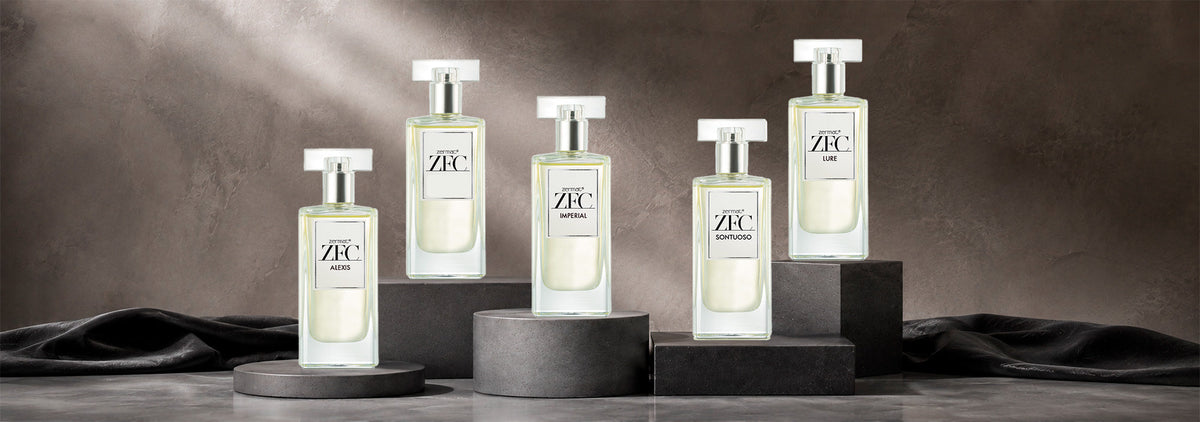
- A good, clear shot of the full bottle on a neutral background.
- Lifestyle shots that show your perfume being used.
- Close-ups of the labels, caps, and printing on the packaging.
- Shots of the box and packaging from different angles.
- Fill levels, batch codes, and visible wear for used perfumes.
Use daylight, neutral backgrounds, minimal filtering, and consistent styling to make sure your images are professional and compelling. And make sure they're all high-res so customers can inspect the details they'd normally pick up on in person.


Writing Fragrance Descriptions and Notes That Actually Sell
Because customers can't smell the perfume for themselves, your description has got to do a lot of the heavy lifting. You need to communicate the scent and experience in a way that really speaks to people.
Try to include:
- Fragrance notes: Explain the top, middle, and base notes in a way that makes sense to the average person.
- Performance: Talk about how long the scent lasts, how strong it is, what time of day it's best suited for, and how it changes over the course of the day.
- Comparisons: If there's another perfume that's similar to the one you're selling, it can help people get a sense of what to expect.
- SEO terms: Try to sneak relevant keywords into your product title and description.
- Condition details: If you're selling used perfume, be honest about the fill level, storage history, and any imperfections, and tell customers exactly what to expect.
- Sensory Storytelling Helps Shoppers Immerse Themselves In the Scent and Decide if It's for Them
Marketing Strategies, From SEO to Social Media and Influencers
To sell perfume successfully, you need to use a multi-channel approach.
SEO: Get your product titles, descriptions, FAQs, and other content to show up in search results like "top niche oud perfumes under $100".
Social media: Use Instagram Reels, TikTok videos that show a different scent every day, and Pinterest boards grouped by fragrance type. Keep an eye on what actually gets people to click and make a purchase.
Influencers: Partner with micro-influencers who can give genuine reviews that get your product in front of the right people. Sending sample kits, affiliate codes, and being transparent about sponsorships really helps.
Email: Build a subscriber list and send out campaigns about new fragrances, seasonal recommendations, and anything you're trying to clear out.
Pricing, Payment Systems and Promotions That Work for Your Perfume Business
Pricing that makes a profit needs to take into account the cost of your inventory, fees from the marketplace, payment processing fees, packaging, and shipping.
Premium fragrances can sell for a lot more than mass-market stuff, while sample sets and discovery sets let customers try out new scents at a lower risk.
Try using:
- Sample sets and bundles.
- Seasonal gift sets.
- Limited-edition launches.
- Free shipping when customers spend a certain amount.
- Loyalty rewards.
- Bundle deals.
- Launch promotions.
And of course, make sure you're offering all the payment options that customers expect, like credit cards, PayPal, and digital wallets, and also consider offering buy-now-pay-later options.
Shipping, Packaging and Regulations for Selling Perfume Online
When it comes to perfume, carrier regulations are pretty strict because it counts as a hazardous material, so make sure you follow the rules.
Packaging should have a sturdy outer box, bubble wrap or foam protection, sealed caps, leak-resistant bags, and any other necessary items like absorbent material to soak up spills.
Just be aware that carrier regulations are different depending on whether you're shipping by air, ground, or internationally, and international shipments can have extra customs restrictions. If you're making or decanting perfume, you need to register your business, get cosmetic labeling right, and follow local rules.
When you're selling online, it's a good idea to clearly show shipping times, tracking info, and return policies before customers check out.


Customer Service, Reviews and Keeping Customers Coming Back
Good customer service can turn a one-off sale into a long-term customer.
Respond promptly to questions about scents, authenticity, and delivery times. Help customers pick out gifts or compare fragrances.
Encourage reviews by sending follow-up emails and simple feedback forms, and give customers a reason to participate, like a free sample with their next order. Adding a thank-you note and a free sample of a related fragrance creates a nice experience and gets people to come back.
Check out customer feedback regularly. If customers are asking the same questions, or if there's negative feedback, it often indicates that a product description, policy, price, or packaging method needs some improvement.
Scaling Your Online Perfume Business Over Time
Start with a manageable catalog of five to ten core fragrances or a small collection of curated used bottles. Handling fulfillment yourself initially can help you understand sourcing, packing, shipping, and customer expectations.
Once demand is proven, expand into related products such as:
- Discovery sets.
- Travel sprays.
- Candles.
- Body products.
- Limited editions.
Track conversion rate, repeat purchase rate, average order value, and returns each month. Use these metrics to guide inventory decisions rather than relying only on intuition.
As volume grows, move from informal marketplace selling toward a recognizable brand with its own ecommerce store, email list, and loyal customer base.
Exclusive, discontinued, and limited-run fragrances can also help differentiate your catalog and attract collectors.
Ultimately, selling perfume online successfully depends on creating trust where customers cannot physically test the product. Accurate descriptions, strong photography, authentic inventory, thoughtful marketing, reliable shipping, and consistent customer service work together to turn that limitation into a scalable business opportunity.
FAQ
Can I legally sell used perfume online, and are there hygiene concerns?
Used perfume can generally be sold if clearly labeled as pre-owned with accurate condition details. Because perfume is alcohol-based, contamination risk is relatively low, but avoid bottles with discoloration, sediment, or poor storage. Check marketplace rules, as some prohibit partially used fragrances.
How do I know if a luxury perfume is authentic?
Check batch codes and compare the bottle, packaging, printing, cap, and glass with authentic examples. Buy from trusted retailers or verified distributors and keep receipts. For expensive or rare perfumes, consider a specialist authentication service.
What’s the minimum budget to start an online perfume business?
You can start with a few hundred dollars for a small inventory, packaging, and shipping supplies. Use marketplaces or low-cost eCommerce options, take your own product high-resolution photos, test demand, and reinvest profits as sales grow.
How do I describe fragrance notes if I’m not an expert?
Use the brand’s official note list, then review sites like Fragrantica or Basenotes for real-world descriptions. Write in simple, familiar terms and, when possible, test the fragrance yourself to describe its opening, dry-down, and longevity.
Is it better to create my own perfume brand or resell fragrances?
Creating your own brand offers more control and potential margin but requires greater investment and compliance work. Reselling is faster and easier to start, though more competitive. Many sellers begin with resale, learn buyers' preferences, and launch their own products later.


