



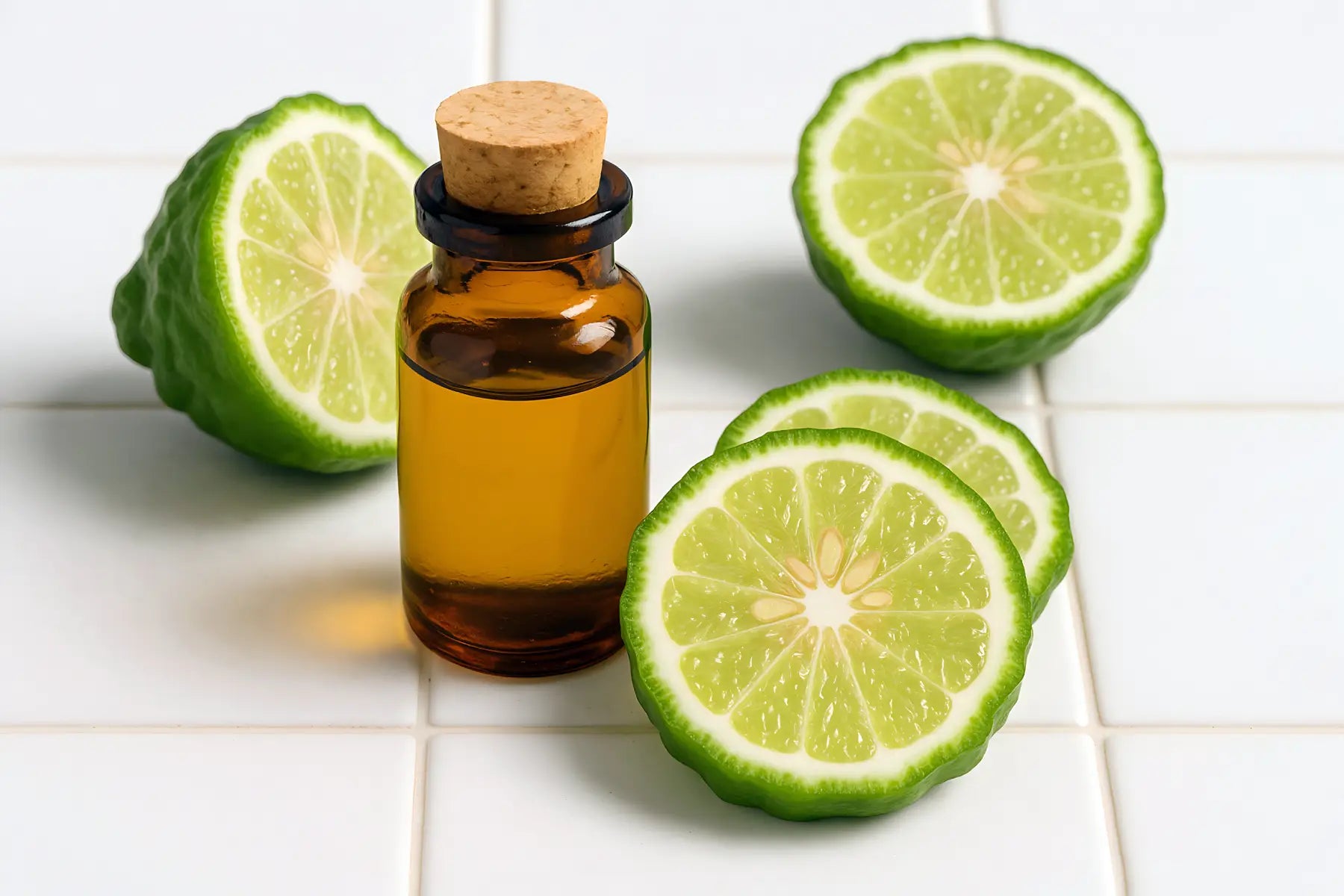
If you've ever sipped a cup of Earl Grey tea or caught a whiff of a perfume that made you think of sunshine, you've probably run into bergamot without realising its name.
When people search "what does bergamot smell like", they're trying to get a clear idea of the scent before buying candles, perfumes, or body mist. Simply put, they want to know if this note smells like a ray of sunshine. You'll find bergamot in all sorts of products from teas to fragrances, and you can pick it out by that distinctive scent, think citrusy, floral and a little bit spicy, thanks to the presence of limonene.
Bergamot is one of those behind-the-scenes stars that turns up in all sorts of classic colognes, fresh unisex perfumes and everyday body care products. It belongs to the citrus family and is known for its fruity citrus scent, which is bright, sweet, zesty and layered with subtle spicy and floral undertones. It's no wonder bergamot is a favourite ingredient in fragrances, its tantalizing scent is both irresistible and memorable, giving fragrances a bright, citrusy and softly elegant personality.
What Is Bergamot, Anyway?

Bergamot starts out as a chunky little citrus fruit with a big impact, rather than some lab-made perfume ingredient. It grows on a tree called Citrus bergamia, also known as the bergamot orange, even though it looks more like a knobbly lime. Don't try eating it like an orange because its flavour is really intense and kind of bitter. To get to grips with what bergamot is, you need to understand where it comes from and how it's used in both food and fragrance.
Much of the world's bergamot is grown along the Calabrian coast in southern Italy, where warm days and sea air help the fruit develop its special oil.
Bergamot is closely related to lots of other citrus fruits like oranges and lemons, sharing aromatic compounds like limonene, but it stands out for its complex, layered aroma and distinctive bitterness. Bergamot oranges, or Citrus bergamia, originated in Southeast Asia but are now mainly grown in Reggio di Calabria, Italy, and the Mediterranean.
Growers found out that the magic of bergamot lives in its thick, fragrant rind. Rather than ending up as juice, it ended up in Earl Grey tea and perfumery, where its scent became famous for adding brightness and polish.
What Does Bergamot Smell Like? (The Quick Version)
Bergamot smells like a bright mix of citrus with a whisper of floral. It's often compared to a smoother blend of lemon and bitter orange, with a hint of tea-like warmth that feels clean, sparkling, and quietly luxurious, rather than sugary or sharp. The scent has a distinct tang that gives it a bright, zesty and slightly acidic edge, which makes it refreshing and crisp.
Bergamot is often described as a cross between a lime and an orange with a unique blend of citrusy, floral and slightly spicy notes. It's often described as uplifting and cheerful, conjuring up thoughts of sunshine and joy. Bergamot is a refined citrus scent with floral and herbal undertones.

Think of it like this: imagine the aroma when you twist a citrus peel over a drink and the oils spray into the air, then soften that image with the subtle scent of white flowers and the hint of green tea, and you'll be pretty close.
The scent can be a reminder of relaxing moments, like lounging by the pool in a tropical setting or drifting off in a peaceful afternoon. There are similarities between bergamot and other citrus fruits like lemons, limes and oranges, especially in their brightness and tartness, but bergamot stands out for its complex, floral and slightly spicy aroma that sets it apart.
Layer by Layer: How The Bergamot Scent Unfolds
Like most good fragrance notes, bergamot doesn't just stay flat. When you first smell it in a perfume or body mist, the opening is usually very fresh and sparkling. In those first moments, it feels almost fizzy and uplifting, giving you a fresh, sparkling and almost fizzy first impression. You'll notice the bergamot's strong, noticeable presence, creating a vibrant and balanced aroma that stands out in any fragrance.
After a few minutes, the citrusy bit of bergamot starts to mellow out, and the more rounded fruity floral side of the scent comes to the front. As your skin warms it up over the course of the day, the scent can shift to a greener and more herbal direction, with a hint of earthy undertones. This transition from bright to soft turns bergamot into a link between light and deep notes, connecting the fresh top notes with the deeper florals, woods or musks
From Peel to Perfume: The Bergamot Oil Journey
To turn the bergamot fruit into a product that a perfumer can work with, producers have to extract the bergamot essential oil from the peel. Often that's done through a process called cold pressing, which is a way of gently squeezing the rind to release the tiny pockets of aromatic oil. This approach avoids using heat, which is crucial if you want to preserve that bright, complex aroma.
Bergamot has traditionally been made the old-fashioned way, where the rinds were soaked in water and then pressed to release the oil, but nowadays, cold pressing is the standard method for extracting bergamot oil. This is especially good news for the aroma, as cold pressing helps preserve the bright, complex character of the fruit's scent. The result is a concentrated cold-pressed citrus oil that is full of the fruit's scent.
It takes almost a hundred bergamot fruits to produce just three ounces of bergamot oil, making it a prized and precious commodity.
Limonene: The Citrus Chemistry Behind the Bergamot Fragrance
So what exactly gives bergamot its unmistakable, sunshine-bright scent profile?

The answer lies in the chemistry of the bergamot, and specifically in a natural compound called limonene. You'll find limonene in high concentrations in the essential oil that gets extracted from the rind of the bergamot fruit, and that's the secret behind that first whiff of fruity, citrusy freshness that so many people are immediately drawn to. It's this lively, uplifting quality that makes bergamot oil a favourite among perfumers and anyone who's looking for a clean, refreshing citrus scent.
But that's not the whole story when it comes to bergamot's magic. Alongside limonene, there are subtle floral and a hint of spicy undertones that add a whole new level of depth and elegance to the scent. And that's what makes the smell of bergamot so hard to put into words, it's not just a simple fruitiness, it's a complex and tantalising aroma that never gets overpowering or cloying. That's why, in the world of perfume, bergamot is prized for its balanced and sophisticated aura. It's like a gentle burst of sunshine for your senses.
The benefits of bergamot oil don't stop at its beautiful fragrance, though. A lot of people turn to bergamot for its ability to lift their spirits and promote relaxation, which is why it's so popular in aromatherapy. Just a hint of bergamot can help ease you into a more relaxed state after a long day, giving you a sense of calm and clarity.
And it's the subtle floral notes in bergamot that also make it a great partner for other scents like jasmine, allowing perfumers to create all sorts of interesting contrasts and layers in their fragrances without losing that clean, bright energy.
Why Bergamot Smells So Expensive (Even in Everyday Beauty)
The "Prince of Citrus" and Classic Perfumery DNA

For decades now, perfumers have been calling bergamot the prince of citrus because it adds nuance to a scent that a simple lemon or orange just can't match. You'll find it in all sorts of traditional colognes, and also in modern niche fragrances where the goal is to smell polished and sophisticated. Even if you're just using a small amount of bergamot, it can make a scent feel more luxurious and put together.
Another key reason why bergamot is so versatile is that it blends really well with a whole bunch of other scents. It works great with lavender, jasmine, neroli, woods, and amber, which is why you'll find it in both traditionally feminine and masculine fragrances. Instead of trying to fit into one particular category, bergamot tends to stay a versatile, gender-neutral citrus note that feels easy to wear for everyday life.
How Bergamot Shows Up in Perfume and Everyday Beauty
Bergamot as a Top Note in Perfume and Cologne
In perfume, bergamot usually shows up at the very top of the fragrance pyramid, so you'll get that bright, sparkling first impression right away. Those citrusy notes help create a fresh and airy feel that draws you in, and then the deeper ingredients can start to bloom. And of course, bergamot also acts as a classic citrus top note, the scent that creates that first impression.
Bergamot plays really well with other notes, because it's both citrusy and softly floral at the same time. You'll often see it paired with lavender, jasmine, and neroli to add a clean, airy feel, or with warm woods, amber, and vanilla to stop those richer notes from feeling too heavy. And in many fragrances, bergamot keeps fragrances feeling fresh and breathable, making you feel like you're dressed up without being too showy.
Bergamot Beyond Perfume: Body Care and Home Scent
Bergamot doesn't just live in fancy glass bottles, you know. You'll also find it in body lotions, shower gels, body mists and even home fragrances, where it heralds in that clean, uplifting, never boring freshness. In a shower gel or body wash, bergamot is the perfect way to kickstart your morning, making you feel brighter and more alert, almost like opening a window to let in some fresh air.
In a body lotion or mist, bergamot gives you a fresh feel that's perfect for work days, classes or weekend strolls. It's the kind of scent that people will notice when they give you a hug or sit close, not from across the room. In home fragrances, bergamot turns into that welcome, "just-showered" scent that's great in living areas, entryways and bedrooms when you want to create an inviting, tidy and relaxed vibe.
Day vs. Night: When Bergamot Really Shines
Bergamot is a natural fit for daytime: its fresh, bright character just feels at home in the office, running errands, grabbing brunch with friends or traveling on a sunny day when you don't want anything too sweet or overpowering. Plus, it works especially well on warmer days when heavy scents can feel overwhelming.
At night, bergamot takes a supporting role. You might wear a perfume that starts with bergamot and then settles into vanilla, amber or woods as the evening goes on. The citrus top keeps your evening scents fresh and deep, while the base adds depth and a touch of mystery, perfect if you like layering a lighter mist under a richer evening perfume.
Is Bergamot Your Go-To Scent Style? A Quick Self-Check

If You Like These Smells, You'll Probably Go Wild for Bergamot
People who fall in love with bergamot tend to have a few things in common: they love smelling fresh without smelling sugary and want a scent that works for everyday life, from the office to a quick coffee date. They're also big fans of fresh, sophisticated scents that aren't too sweet but still feel easy to wear.
You don't need to be a fragrance expert to know if bergamot is your thing. Just think about everyday smells you already enjoy like the aroma of Earl Grey tea, the citrus zing when you peel an orange, or that fresh, welcoming smell you sometimes catch in hotel lobbies.
You might also like bergamot if you usually go for perfumes or body sprays described as fresh, clean, citrusy or bright. Notes like lemon, orange, neroli or light white florals often pop up alongside bergamot in fragrance descriptions. If those words match your current faves, fresh, clean, citrusy fragrances with bergamot will probably feel super familiar and comfortable, but with a bit more class.
How to Try Bergamot on Your Skin and Make it a Little Ritual
Sampling bergamot is a breeze, and it can even become a small and fun ritual you look forward to. Just spray a perfume or mist on your pulse points (wrist, inner elbow or the side of your neck) rather than rubbing it in. Give it a few minutes to mellow out so you can notice how the scent settles, and turn sampling into a mini experience.
Try it on different days and with different outfits. Wear a bergamot-based fragrance on a casual sunny day, then try it again with a more dressed-up look. See how it interacts with your mood and style, and let your mood guide your scent choices, because fragrance is all about expression and how it makes you feel, not about "getting it right".
FAQ: Quick Answers About Bergamot
Is bergamot a feminine or masculine scent?
Bergamot is super unisex; perfumers use it in both feminine and masculine formulas because it adds freshness and polish rather than leaning strongly in one direction. In many shared fragrances, it becomes a genuinely versatile citrus note that anyone can wear with ease.
Does bergamot smell more like orange or lemon?
Bergamot kind of sits in the middle. It's got the brightness of lemon and a touch of that slight bitterness you find in some orange peels, but it's smoother and more complex than either. Loads of people describe it as a midpoint between bright lemon and bitter orange with a soft floral and herbal twist.
What does bergamot smell like in men's cologne?
In men's cologne, bergamot usually comes in as a crisp, confident top note that makes a scent feel fresh and self-assured. It often blends with woods, herbs or spices, so the overall effect is fresh at first and then deeper and more grounded as it dries down, making it versatile for both day and evening wear.
What scents go nicely with bergamot?
Bergamot teams up beautifully with lavender, jasmine, neroli, cedarwood, sandalwood, amber & vanilla - the combinations are endless. Fresh pairings keep the scent feeling light & airy while warmer notes give it a sensual feel, perfect for winding down in the evening. You can try pairing it with florals, woods, or a hint of vanilla to see which balance works best for you.
Why do so many perfume makers use bergamot as a top note?
Perfumers love bergamot because it brings a bright, elegant feeling to the beginning of a fragrance, and then as it fades away, it lets the other notes shine. It makes a perfume feel complete, and helps a lot of different scents smell smooth & harmonious. Simply put, it starts with a lovely brightness & a touch of elegance, which is why you see bergamot at the top of so many lovely fragrances.


