






B2B Page F - Direct Sales Beauty Products
Get started
Become a Zermat affiliate
Leave your details and a member of the Zermat team will reach out with everything you need to start sharing the products you love.
But let's be real, direct sales beauty isn't just about selling products outside a store. It's about giving people the confidence to choose fragrances, skincare, and makeups that feel right for them.
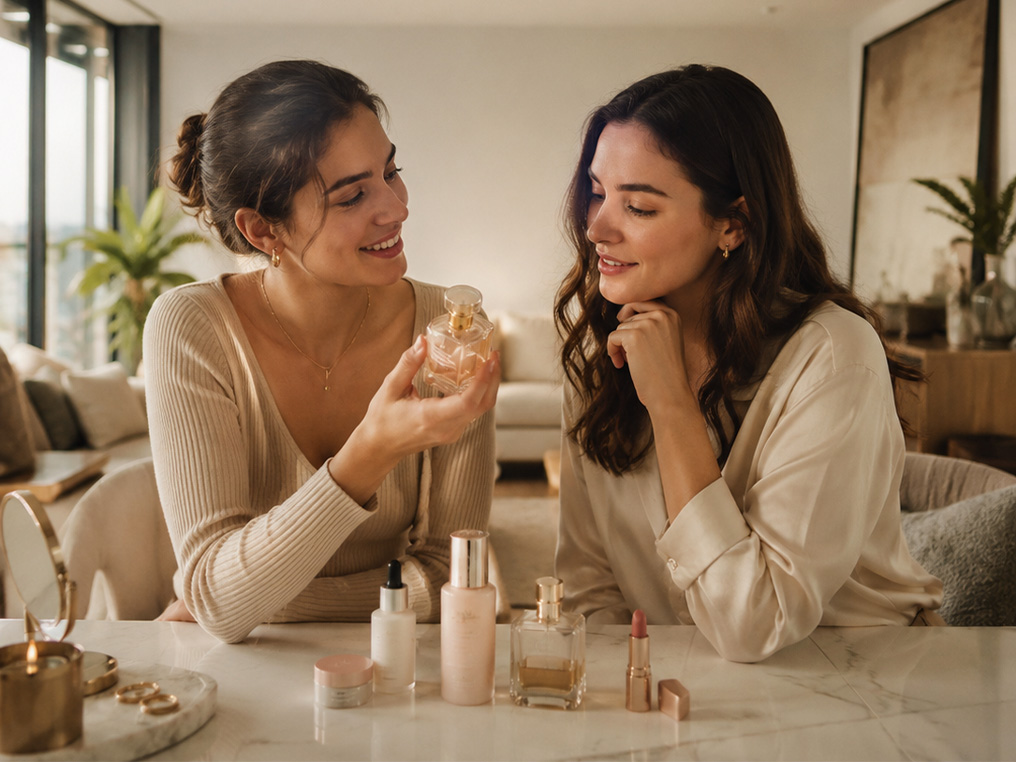
And for Zermat, a brand that combines accessible luxury with a Latin flair, a personal approach is key. That's because at its best, direct sales beauty isn't just about products, it's about guidance, community and feeling more put together every day.
The basics
What Do Direct Sales Companies Actually Sell?
Cosmetic Companies sell pretty much any skincare, makeup, body care, personal care, cosmetic products or care products item. These are sold directly to consumers by representatives, consultants, online catalogues, social media, events or just word of mouth. They fall under the same umbrella as the bigger cosmetics market and include all the usual things like fragrances, makeups and body products that people buy straight from sellers.
The real beauty of this model is that it gives customers a way to discover new products that feels way more personal than browsing a beauty aisle on your own. Instead of relying on product descriptions alone, customers can hear from someone they trust about how a perfume smells, or how a skincare cream fits into their routine, or how a makeup product will look with their style. For many people, this sort of personal touch is a big part of why direct sales beauty is so appealing, it gives them more control over their time and a way to earn extra money on their own terms.
A personal-care approach
How Direct Selling Works in Beauty: A Personal-Care Approach
Direct sales beauty usually starts with a product line that a brand is pushing. Let’s say they’ve got a new line of skincare products, makeup, fragrances, and body care. Then they’ve got representatives and consultants who are tasked with sharing those products with customers.
These sellers can use all sorts of ways to share products with customers. They might use online catalogues, share links on social media, host little events, post videos or routine guides, or just answer questions one-on-one. Running the business can also mean handling inventory management and order fulfillment. Some brands also use e-commerce business tools so that customers can buy products at any hour. Whatever the format, the goal stays the same, to help customers feel confident about what they’re buying.
Now, the way a seller makes money usually depends on the terms of the company they’re working with. That might mean getting a commission on sales, say 25% to 50% on personal sales depending on the company’s terms, the seller’s volume, and the dedication they bring to the work, or it might mean getting bonuses for building a team that can significantly increase earnings beyond personal sales commissions. Some companies even have two ways to earn, with one tied to personal sales and the other to building a team. The details vary from brand to brand, so it’s always a good idea to review the terms before joining or selling.
For customers, the experience should feel helpful, not pushy. A good beauty seller listens to what you want and then recommends the right products to fit your needs. Maybe you want a soft scent for everyday wear. Maybe you want skincare that doesn’t feel complicated. Maybe you want a makeup look that’s polished but still natural.
That listening is what makes all the difference. The appeal of direct sales beauty can be strong, but with so much competition, skepticism, and market saturation in beauty direct sales, sellers need to be careful, build trust and choose an approach that feels authentic.
Step by step
From Product to Customer: How Independent Beauty Consultants Do It
Here’s the basic path a direct sales opportunity for an independent beauty consultant usually follows:
- 1 A beauty company offers a new line of products, including anti aging products.
- 2 A representative or seller shares those products with customers.
- 3 Customers learn about the products through a recommendation, catalogue, event or online path.
- 4 The customer buys the product directly.
- 5 The seller earns a commission on the sale, based on the company’s terms.
This path works best when trust is established before the sale and the seller acts less like a salesperson and more like a guide or a coach who also helps people use what they buy well. Beauty products are a part of personal routines, not just about skin, or scent, but about self-expression and how people want to feel, seen, not pushed or pressured.
A good recommendation should be tailored to the individual, if someone has a thing for clean daytime scents they should be steered towards that vibe, and you should make the choice feel easy and clear for them. If someone is looking for makeup that suits different skin tones or styles, you should handle that with care, and if someone on the other hand is after a simple skincare routine, the advice should be easy to follow. And don’t forget about follow-up, it helps ensure customers know how to use the products correctly and can tell whether they are actually seeing results.
That’s how direct sales beauty becomes useful, it gives people guidance they can actually put to use.
Why it fits
Why Skin Care Beauty Products Just Happen to Fit Direct Sales So Well
Beauty is personal. A perfume, a cream, or a makeup shade isnt just an item you buy, its a part of how you get ready, how you feel, and how you move through the day. Whether its fragrance, skin care, cosmetics or personal care products, beauty products all have a role to play in your daily routine.
People often get stuck when looking for beauty products online because the details can be tough to judge. Scent is invisible. Texture is hard to get a feel for. Shade can look totally different on different skin tones. A product might sound great, but customers still want to know if its going to fit in with their routine. Many brands also do a lot of good work by offering natural or eco-friendly options, which really speaks to people who are into sustainability and health.
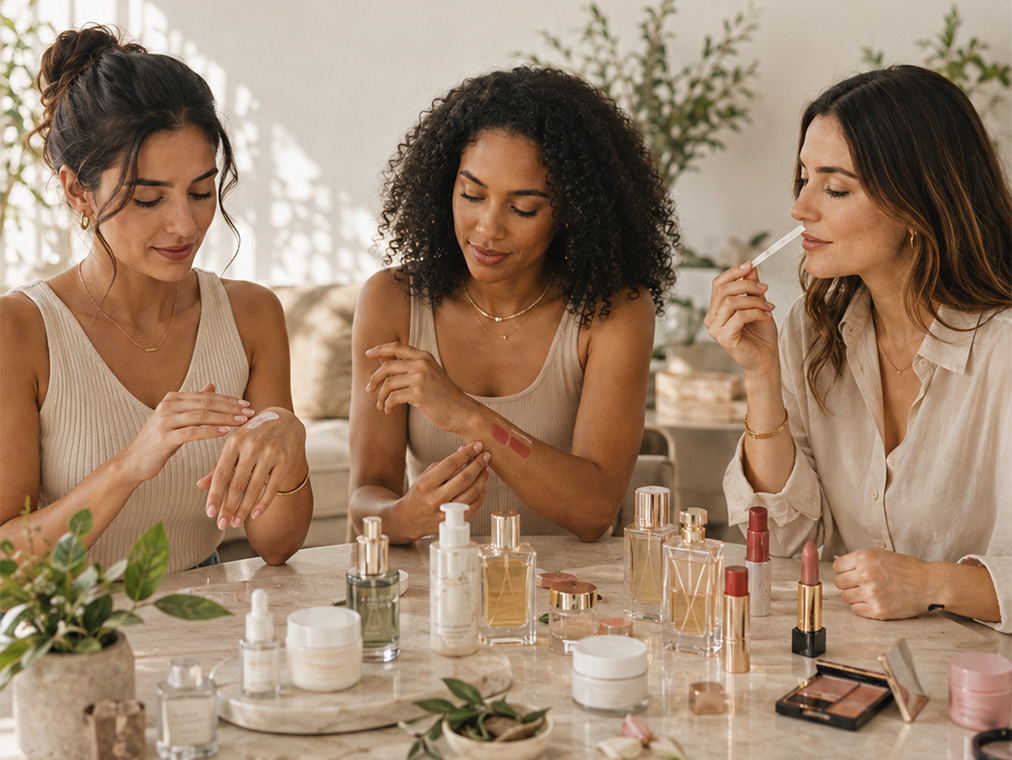
Direct sales can make all that a lot easier. A seller can just explain the product in plain English, talk about the scent as soft for a daytime vibe, warm for dinner, or fresh for a morning routine. They can help a customer understand how skincare fits into their daily routine, and talk about makeup in a way that makes everyone feel welcome, regardless of skin tone, style, or comfort level.
For the beauty brands, this model also means they can focus on education, and its a great way for people who love beauty to think about making that passion into a business too, with an average start-up cost of around $106.40, its accessible to a lot of people. By bypassing traditional retail middlemen, brands also retain a larger share of the revenue. Products don’t just sit on shelves, they get to be explained, compared and shared in real-life moments.
Guidance over choices
Beauty Often Needs Some Context, Long Stablished Names like Mary Kay Understand This
{unlike with retail sales, beauty shoppers don’t need more choices most of the time, they need better guidance. Long-established direct sales companies like Mary Kay, and Avon, which was founded in 1886 and now operates in over 140 countries, really get that. That kind of history matters because direct sales can face consumer skepticism tied to trust and reputation.
A fragrance shopper might ask “is this too strong?” A skincare shopper might wonder “when would I use this?” A makeup shopper might ask “will this shade look natural on me?” And they might ask about products that are targeted at specific skin care routines or treatments, including anti aging products. Those are the kind of questions that direct sales can really help with.
The best direct sales beauty products are simple to explain and to connect to everyday life. Strong recommendations also help draw inspiration from established brands with a good track record, including Arbonne, a company specializing in plant-based beauty. A signature scent can be the perfect finishing touch before you leave the house. A skincare product can support a calm routine. A makeup item can add a bit of colour, polish or confidence.
Inclusive beauty should guide every recommendation. A good seller does not assume there is one beauty ideal, or one skin tone or one way to feel confident, they make space for all different people, styles, identities and routines.


