



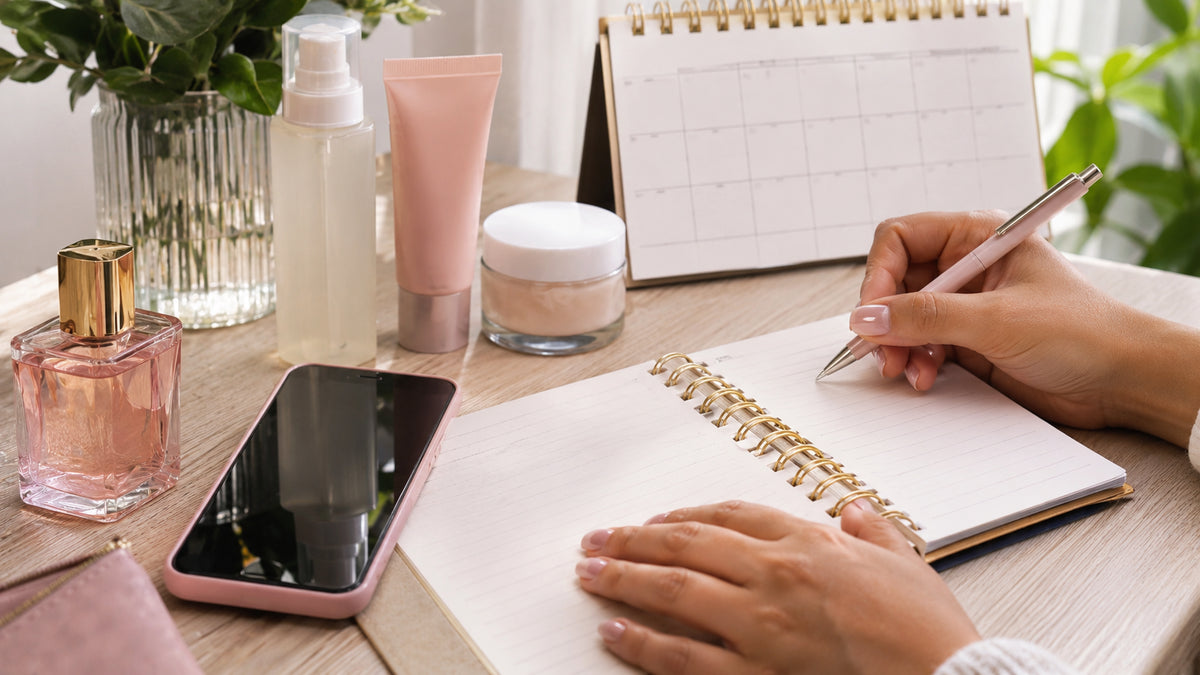
Learning how to sell beauty products isn't just learning product names and hitting your quota. If you're going to be working with beauty, you'll want to know how to properly train yourself to sell more. Below is the whole step-by-step process of a 30-60-90 day plan that will allow you and/or your sales team to break down your goals over the course of 90 days. We'll go over some tips and things you can track to help you start selling beauty.
What Is a 30-60-90 Day Beauty Seller Plan?
A 30-60-90-day sales strategy is a method used to help new beauty sellers learn how to achieve customer success within the first 90 days of starting. There are many steps to selling beauty products, and during the first 30 days, you should be learning about your products and how to sell. At 60 days, you should be able to speak with customers and have started selling. And at 90 days, you should be selling more.
This can apply to those who are working for a beauty company or if you decide to start your own beauty business. There are many factors that go into selling beauty that you should know.
Why New Hires Need a 90 Day Sales Plan
When you first start selling beauty, you'll want to learn all you can about the products you're selling. Having a 90-day plan allows you to break down what you need to do each day to become a better seller.
Your hiring manager or sales supervisor can help you understand the sales role, performance expectations, the company's mission, brand values, how to develop strategic thinking, and your approach to customer service so you can start closing your early deals.
You can also set smart goals that you want to achieve within the first 90 days of selling. Maybe you want to sell a certain amount per day or have a higher conversion rate; setting these goals can help you know what to strive for when selling.
Customers will want to smell perfumes, see what colors of makeup look best on them, or know what a product will feel like on their skin. You'll want to know how to demo these products and tell your customer what they can expect from the product.
Building the 30-60-90 Day Foundation
Get to actually know your customers, familiarize yourself with the company's product line, and how they relate to what you're selling. Find out what your customers are actually interested in: Skincare? Makeup? Fragrance? Hair products? Once you actually absorb product knowledge and your customers' interests, you can dig deeper into what you want to sell and define a target market.
Define what you want to achieve in your first 30 days, and identify the key stakeholders involved in your first 90 days, including sales managers, product trainers, and inventory or customer support teams. Talk to your sales manager about what you can do to hit your goal, or, if you're selling for yourself, know what you want to accomplish.
Maybe you want to meet with a certain number of customers or have a certain amount of sales in your first month; then, make sure you spend time with other sales reps, shadow them and learn how they sell, and practice your demo and speak to others about your selling techniques.
New Beauty Seller Launch Plan
If you're starting a beauty business, you'll want to know how to get your business off the ground. Make sure you have enough inventory to fulfill your orders. Order your products and shipping supplies early enough that you can test out your process. Make sure you have enough products to ship and know how many you have in stock.
If you're selling online, you'll want to have your website set up. Know your prices and how you want to ship your products. Make sure you can accept payments and have tested your website. Follow the instructions from your payment processor to test your website.
You don't need to worry about having a website if you're working for a beauty company. Just know how to use the POS system and how to communicate with your customers. Try to keep your launch simple. Have products you know you can sell and processes in place to sell.
First 30 Days Selling Beauty Products: Learn and Launch
You'll want to spend the first 30 days learning about your products and getting comfortable selling. Don't expect to be at your full potential right away; start by shadowing other beauty consultants and practicing your demo. Learn how to consult with your customer and what they may be looking for.
You can start to take on consultations and continue to coach with your manager. Try to hit 25% of your goal for the month. If your goal is to sell $4,000 a month, you can try to sell $1,000 in your first month. This is just an example of what you can do to reach your early revenue targets.
Make sure you know how many meetings you're booking with your own leads, and how many you're holding; then write these numbers down and see where you can improve.
First 30-Day Success Measures
At the end of your first month, you should know your products and be able to demo them. You should know how to consult with your customer and sell, track how many product trainings you've completed, how many products you know, and how many consultations you've done. You can also track how many sales you've made and what your customers think.
If you offer appointments, track how many you've booked and how many you've held. Don't overload yourself with too many trainings, sales goals, and new things to learn; this can lead to burnout.
New Beauty Seller Weekly Routine
Having a weekly routine will help you stay on top of your customers and selling. Here are some things you can do each week.
-
At the beginning of the week: Know your goals for the week. Check your inventory and see who you need to follow up with.
-
During the week: Demo products, hold consultations, and answer any questions your customers may have. Write down any sales you make.
-
At the end of the week: See how many meetings you held, how many you converted, and what your customers thought. Did you meet your goals?
Make sure you have time to learn about your products and coach with others. If you're selling for yourself, make sure you have time to fulfill your orders and update your website; you can continue to do this during your whole 90-day sales plan.
Days 31–60: Build Customer Relationships and Sales Pipeline
Now that you know your products and have started selling, you can start to meet with more customers. At this point, you should have developed basic territory management skills, so start developing a territory plan to identify potential customers, existing accounts, and sales opportunities within your assigned area. Make sure you have a list of customers that you can follow up with; maybe they asked about a product or showed interest in something. You can use a CRM or whatever you use to keep track of your customers.
As you gain experience, focus on increasing your average deal size, or the average amount customers spend per completed sale. Make sure you know what they like and when they came in to see you, and always make sure you're following the rules when collecting customer information.
You can also consult with your customers and find products they may like. If they're shopping for skincare, you can recommend products that may fit their needs. If they're shopping for perfume, you can show them different types of scents; this will also help you develop customer relationships and allow you to evaluate your pipeline value related to the estimated income you could generate from those target accounts.
Track how many consultations you're doing and how many you convert. See why your customer didn't buy and what you can do to improve.
Increase Average Order Value With Beauty Product Bundles
Once you know what your customers like, you can start to sell them more and create product bundles to sell more products at once. These beauty bundles can help you sell more by offering your customers a package of products; you can bundle skincare products or even sell perfume with a body lotion.
Make sure your bundle makes sense and isn't too many products; know what you're selling and how much you want to charge for the bundle, and track your average order value to see if bundles are helping you sell more.
Days 61–90: Take Full Ownership of the Sales Process
By day 90, you should be comfortable consulting with your customers and selling, as you gain experience, learn to identify and manage key accounts, particularly business clients or repeat buyers who contribute significantly to sales revenue. Set goals for yourself on how many you want to close out of your meetings, know what objections your customers may have, and how you can answer them. Maybe they don't think the product is worth the price, or they don't know if it will work for them.
Always know what you're selling and ask if they would like to purchase; continue to track how many you're converting and how much you're selling. You can also see if your customers are coming back to buy more.
Expand Beauty Marketing After Launch
Once you have your sales down, you can start to market your beauty business. There are many ways to sell your products: one of the most effective ones is working with micro-influencers to help sell your products. Find an influencer who sells similar products and have them review your product; just make sure they tell their followers if it's a paid or gifted collaboration.
Another way to sell your products is by making videos of what you sell; your customers may want to see what your product has to offer or maybe want to hear from other customers. Once you have your content created organically, you can begin to run ads to help sell your products. Just make sure you are keeping track of how much you are spending on ads and what your customer acquisition cost is; always make sure your ads are converting, and you have a process to sell.
New Beauty Seller Actionable Tasks Tracker
Here is a beauty seller tracker you can use to help you sell more. You can measure your sales cycle length to track your sales from the initial consultation all the way to the actual purchase and see where you can improve. Instead of just tracking your sales, track what you're doing to sell more.
|
Metric |
What to Track |
Why It Matters |
|
Training completed |
Modules and assessments finished |
Measures product knowledge development |
|
Meetings booked |
Customer appointments scheduled |
Tracks consultation opportunities |
|
Meetings held |
Appointments actually completed |
Identifies attendance and scheduling issues |
|
Consultations completed |
Product discussions or demonstrations |
Measures direct selling activity |
|
Conversion rate |
Purchases divided by completed consultations |
Evaluates consultation effectiveness |
|
Sales revenue |
Total value of sales |
Tracks progress toward revenue goals |
|
Quota attainment |
Sales as a percentage of assigned quota |
Shows performance against expectations |
|
Average order value |
Revenue divided by number of orders |
Helps evaluate bundles and complementary sales |
|
Customer follow-ups |
Follow-up interactions completed |
Tracks ongoing relationship management |
Make sure you look at these numbers weekly; maybe you're booking a high amount of appointments and not completing them. Then you may need to follow up with your customers, or if you're completing a high amount of appointments and not selling, you may need to know more about your product.
Help yourself sell more and meet your goals.
Common Mistakes in a New Rep's 90 Day Plan
You just started selling beauty; you are not going to know everything. Allow yourself time to learn the products and selling before you ramp expectations.
-
Have measurable goals: Wanting to sell more is not measurable. Set specific targets, like increasing the number of completed demos or consultations.
-
Track what you're doing: Maybe you're not selling because you're not following up with your customers or not completing enough consultations.
Do not try to sell your customer what they don't need: They may not want to buy from you again.
Final Thoughts for Every New Beauty Seller
As you can see, there are many things to remember when selling beauty; know your product and how to sell it. Have measurable goals and track what you're doing; this will help you sell more and meet your goals.
FAQ
What Should a New Beauty Seller Accomplish in the First 90 Days?
Learn about your products, learn what your customers need, and how to complete consultations. At 60 days, you should be consulting more customers on your own. Follow up with customers and create habits that allow you to sell more. By 90 days, you want to be able to sell to your customers. Increase your close rate and start hitting your goals.
How Much of My Sales Quota Should I Reach in the First Month?
Having a goal of 25% of your normal monthly goal could be a good goal to start off your onboarding plan. It will all depend on your company, experience, and type of sales you are doing. If you have a goal of $4,000 a month, you should try to hit $1,000 during your first month. Make sure to talk to your manager about what they expect from you during your first month based on training, amount of customers and opportunities to sell.
How Can I Measure Progress Before Making Consistent Sales?
You don't only want to look at how much you're selling. Make sure to track how many trainings you've finished and consultations you've scheduled and completed, how many times you've demoed products, and followed up with customers in your assigned territory. These sales ops will all help you know if you're gaining knowledge and building relationships with your customers. You can also start tracking your close rate and how much your customers are buying once you start selling.
How Is a 30-60-90 Day Plan Different for Independent Beauty Sellers?
If you're working for a company, you'll want to learn about the company's culture and their products, consult customers, and hit your sales goals. If you're an independent beauty seller, you will also need to buy products, set prices, accept payments, advertise your products, and deliver them to your customers. So you'll want to make sure you have your own website or selling platform ready to go. Test out how you will be delivering your products and build your customer base while learning how to sell.
What Should I Do if I'm Not Meeting My 30- or 60-Day Sales Goals?
Check your activity log to see where you may be falling short: If you're consulting customers and not selling, maybe you need more product knowledge or coaching. If you're not getting many customers, you may need to focus on advertising your products and getting more customers. Talk to your manager about lowering your goals or change your goals if you're independent.
How Much Inventory Should I Purchase Before Launching My Beauty Business?
Buy a variety of products that you think your customers will want to purchase. Based on your budget, how much you can buy from your supplier, and how fast the product will sell or expire. Don't spend too much money on products you don't know your customers will like. Have enough product and shipping supplies to send out your first orders and then continue to buy product based on what you're selling.
When Should a New Beauty Seller Start Investing in Paid Advertising?
Advertising can be helpful once you have a sales process going and know what type of content or products your customers are interested in. When you first start selling, you should focus on learning about your products, delivering your products to your customers, and advertising your products organically. Once you're ready to grow your business, you can start advertising and keep track of your cost per customer and close rate.


