

If you want to enter the perfume world, preparation, presentation, and creating an extraordinary fragrance shopping experience are musts. It doesn't matter if you're selling luxury brands, niche fragrances, or vintage perfume bottles: these tips will help you make sales swiftly and form long-lasting client relationships.
Prepare Your Perfume Collection for a Quick Sale
Before you start selling perfume in person, you have to decide which bottles you want to sell and separate them from your personal collection. Take note of each fragrance's brand and fill rate; you will want to disclose this information to your buyers. Take pictures of each individual bottle prior to your appointment so that you can display the quality of the condition and packaging. Packaging can influence value just as much.
Keep in mind that the majority of the cologne pricing comes from the packaging. You should be extremely careful with fakes; one out of every 10 fragrances sold online is counterfeit, and some counterfeits are mixed with chemicals such as urine and antifreeze. Others are bottled in facilities that do not practice good sanitary conditions. Both of these cases can cause life-threatening allergic reactions and chemical burns.
Understand Fragrance Families and Concentrations
Educate yourself and be passionate regarding the differences between fragrance families and fragrance concentrations so you can recommend different perfumes to customers and teach them about their cost-effectiveness.
Perfumes are separated into different fragrance families, including floral, woody, fresh, amber, and gourmand. Some popular floral notes include rose and jasmine. Woods commonly used in fragrances include sandalwood and cedar. Citrus and aquatics are examples of fresh fragrances. Vanilla, caramel, and chocolate are types of sweet notes used in gourmand fragrances.
In addition to fragrance families, you should be able to identify how each perfume concentration differs from the others. For example, eau de toilette (abbreviated EDT) is typically lower in fragrance compound concentration when compared to eau de parfum (EDP), and parfum has a higher concentration than both EDT and EDP. However, a higher concentration does not guarantee that that particular scent will have a longer-lasting wear since this also depends on the ingredients used.
Teach customers about top, middle, and base notes when introducing them to a perfume. Explain how these notes blend together and evolve on the skin over time, which is why a fragrance may smell different when first applied compared to 30 minutes later.
Assess Luxury Perfume and Vintage Fragrances
Check recent selling prices for similar bottles (due to often higher demand, discontinued and rare fragrances sell for higher prices as well). Confirm batch codes to ensure authenticity if possible. Get it looked at by a specialist if it is particularly valuable, discontinued, or rare; there are sites such as Trade Perfumes which are dedicated to selling authenticated high-end fragrances. Keep the receipts if it's a valuable bottle. That way, buyers feel more secure about their purchase.
Perfume sellers should know perfume terminology. If you do, it allows you to better describe things such as notes, families, and concentrations.
Set Prices for Full Bottles and Partials
Check prices from local perfume retailers and platforms so you can compare and offer competitive prices. When you list your comps, be sure to mention eBay (biggest site for buying and selling new and used perfume), Etsy (often used for vintage and handmade fragrances), Facebook Marketplace (allows you to sell locally without fees and instant sales), Mercari in Japan (3% fee), and Poshmark (20% fee on purchases over $15). Try to sell unopened bottles for more than used perfume. Make discounts for partial bottles explicit; you may also increase your worth by justifying price differences by explaining things like concentration (ie., eau de toilette), and always consider some negotiating room.
Where to Find Customers
The place you sell will differ depending on whether you are selling a few bottles from your own collection or trying to run a perfume business. You can begin selling perfume by offering your unwanted fragrances to friends and family. Online cosmetic and accessories communities and groups that allow members to sell perfume are also good places to sell gently used cologne bottles, and through word of mouth you can find buyers and safely meet in person to complete the transaction.
If you want to start an actual company to sell perfumes, you may be able to set up at local markets, pop-up shops, beauty salons, or fragrance parties. These venues allow customers to sample your fragrances in person. Check that you will be allowed to sell at that location and observe any local guidelines. If you're planning on having a larger inventory, source your products from a trusted wholesaler so you can access competitive prices and a consistent supply of fragrances.
You can market to potential customers before meeting with them in person as well. By providing clear photos of bottles, pricing, what the fragrance smells like, and the condition of the product, you can find buyers interested in what you're selling. Whether you're selling high-end designer or boutique fragrances or cheaper fragrances, target consumers who enjoy wearing fragrance.
Plan Your Appointment
Meet in a public place that is clean and neutral, and schedule enough time so that you can both sample fragrances without feeling rushed. Bring ID if it's a higher-value purchase and verify your buyer's payment method beforehand.
Present Full Bottles Professionally
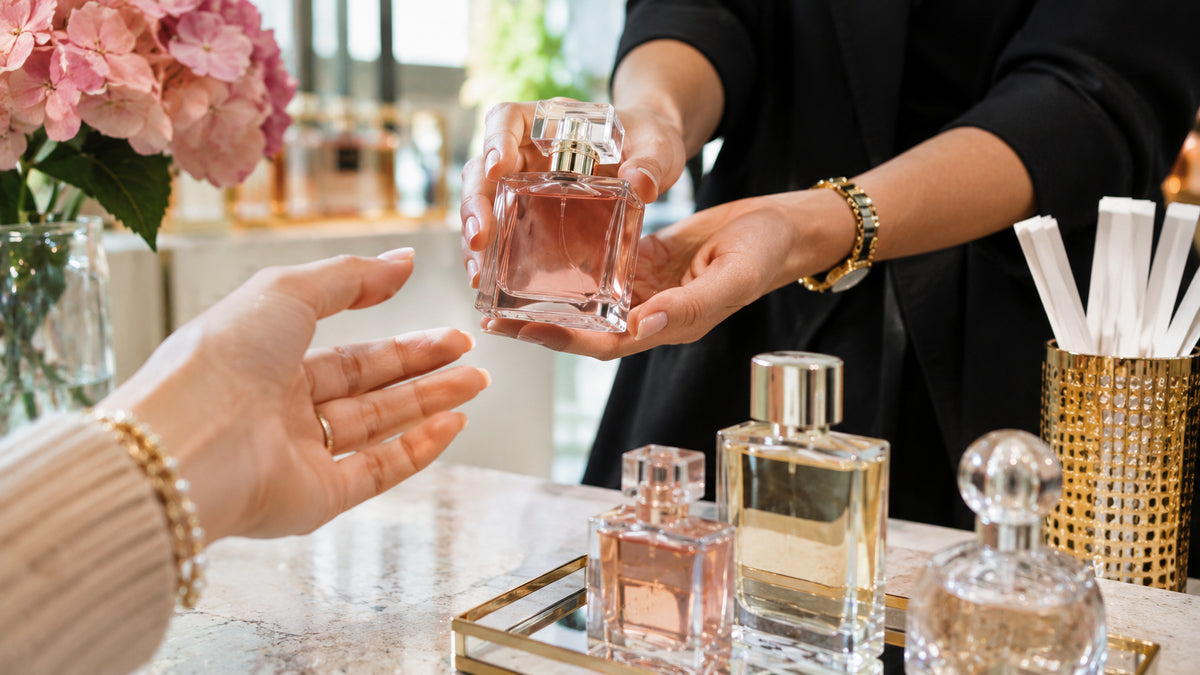
Preparation is key: Wipe down the outside of bottles BEFORE the meeting. If you spend money on presentation materials, then use clean wrappers, tissues, and gift-ready details instead of just protection pads. Place the boxes next to their corresponding bottles to show quality and legitimacy. Tip: A classy presentation elevates the perceived value of your product. In fact, a neat presentation could increase your sales in under a month. Group the fragrances by brand for a clean-cut look.
Why a strong presentation matters: When you walk into a store to buy a fragrance, you want to be able to proudly display the bottle on your shelves; something as simple as personalized gift wrapping can make your purchase feel more extravagant.
How to Approach Potential Cologne Buyers
Making a good first impression goes a long way towards an easy sale. Don't dive right into trying to sell them something. Strike up a casual conversation. Ask them what they are looking for. Do they like fresh scents, floral, sweet, or musky scents? Are they buying for everyday wear, special occasions, or perhaps a gift?
Once you have some interest, offer them two or three suggestions that suit their answers. Allow them a test strip so they can smell it with no pressure to purchase. Allow them time to smell the other options and ask questions such as what oils are used, what concentration the perfume is, and how much it costs.
Many customers buying second-hand or vintage perfumes are more worried about authenticity and condition of the bottle than if it smells good. Be upfront about how much fragrance is left, if the bottle has been previously opened, and if you have proof of purchase.
You don't always need to make a sale. If you make your customers feel at ease and answer any questions they may have, they will likely return or spread the word to others.
Create a Strong Fragrance Sales Experience
Engage with your customers by asking them what fragrance smells they like so you can better understand scent preference and style. Offer limited recommendations of three fragrances, as too many choices can lead to analysis paralysis with your customers. Tell your customer when they can wear each fragrance you are recommending and try to include brand history or unique ingredients. Consumers love to hear about the story behind a fragrance and will appreciate your brand more when you take the time to make recommendations tailored to their needs, which will create an emotional connection with your brand, leading to consumer satisfaction.
Instead of bombarding your customers with the long breakdown of notes, most customers care about when they can wear that scent and what emotions that fragrance gives them. Offer limited or exclusive products. Exclusivity will build desire and give your customers a reason to return; you can do this by selling limited edition bundles or offering to layer products that pair well with your current fragrances. This will create urgency and allow you to upsell to your customer, increasing your basket size.
Offer Safe In-Person Sampling
Use spray-on test strips applied from a distance (making sampling easy and comfortable for both the fragrance and the client) and limit skin testing to key fragrances only. Offer coffee beans and water in between samples to help cleanse the customer's palate. Our noses tend to become numb when smelling several fragrances in a row, so take your time. Ask permission before spraying any fragrance directly on skin.
How to Close a Perfume Sale Without Being Pushy
You don’t need high-pressure tactics to close perfume sales. When a customer has sampled a scent and they like it, provide a quick recap of what they liked about the fragrance and why you think it’s suited for them.
If price is the concern, tell them what they are getting for the money. Include details about concentration, size of bottle, condition of bottle, or rarity if applicable. Offer them a decant or lower-priced alternative if available.
For pre-owned bottles, make sure that your buyer is clear on what they are buying and that the price is final before you accept their money. If they’re on the fence, allow them time to decide. You don’t want to rush them and risk losing the sale.
You want customers to be happy with their decision to buy from you. Satisfied customers = referrals; this means return customers and more perfume sales in the future.
Complete the Sale Securely
Confirm the agreed price before you accept the payment. Additionally, if you also advertise locally ahead of time, selling platforms like Facebook Marketplace can be good alternatives for quick local (cash) transactions while avoiding service fees. Always double-check the payment before turning over bottles. If possible, provide your customer with a written receipt and take note of the customer's contact information: this will allow you to follow up, build trust, and even offer new fragrances that you stock. If you end up shipping the item, make sure you send it with tracking.
Build Trust After the Quick Sale
Always package purchased bottles with care and include care instructions along with delivery. Follow up after delivery to ask how they liked the fragrance, if they've received compliments, etc. Letting your buyer know you care about more than just their money will help ensure long-term business relationships. Ask for feedback, and if they were happy with their purchase, encourage them to refer you. By staying in touch with your customers, you may be able to open more doors for sales opportunities!
FAQ
Do I Need a License to Sell Fragrances?
Whether you need a license to sell perfume depends on where you live and how often you plan to sell it. If you want to sell fragrances as a business, you may need to register your business, obtain permits, or comply with taxes. Be sure to check with your local laws to see what’s required before you set up shop at a flea market, craft show, special event, or other location from which you’d like to sell perfume.
Can You Sell a Used Fragrance?
Yes, you can sell opened fragrance as long as it’s allowed in your city or county. When selling opened perfume, customers will want to know how much is left in the bottle, whether the box or bag is included, and if the bottle is full, empty, or somewhere in between.
How Can You Prove a Fragrance Is Authentic?
Ideally, hold on to the receipt, box, and proof of purchase. Authenticate the product by researching pictures of the legitimate bottle versus yours and comparing details like color and spelling. Again, do not use the batch code to authenticate your product. If the cologne is pricey or you believe it may be fake, you can have it authenticated by third-party professionals.


